The WashU PhD prep program prepares first-generation and regional students like Jayden Sheridan for graduate research and academic life.

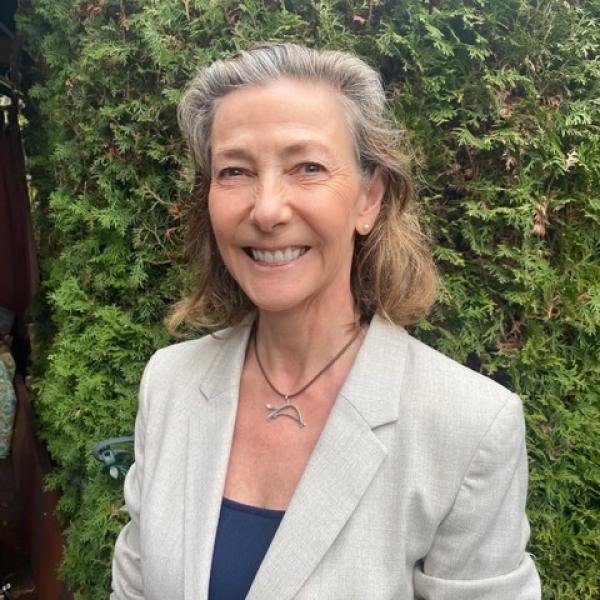
When Jayden Sheridan was a politics-obsessed sophomore at the University of Kentucky in 2022, she assumed law school was the logical path forward after graduation. Her interest in politics began in high school and followed her to college, where she declared a major in political science and minored in women’s studies and criminology. A first-generation university student and one of only three people in her extended family to earn a high school diploma, Sheridan pictured herself studying for the LSAT. But when she raised the idea with her advisor and mentor, her professor encouraged her to consider graduate school instead.
“What do you mean by grad school?” Sheridan recalled asking. She had never known anyone who had pursued a master’s degree or a PhD. Her advisor suggested the WUSTEPS program, which led her to become a WashU PhD candidate deeply engaged in American politics research.
Now in its fourth year, the WUSTEPS program prepares promising undergraduates with limited access to research opportunities to train alongside leading political scientists at WashU. Held on the Danforth campus, the free, stipend-supported summer program pairs students with faculty mentors in their areas of interest and provides hands-on experience through research assistantships and seminars in research methods, data analysis, and academic writing. The program also provides professional development and practical information focused on graduate school, giving participants a closer look at graduate-level academic life.
WUSTEPS not only prepares students for advanced study; it also serves as a pipeline for exceptional talent into WashU’s political science PhD program. By prioritizing regional recruitment and first-generation students, the program elevates voices that have long been absent from key conversations in the field.

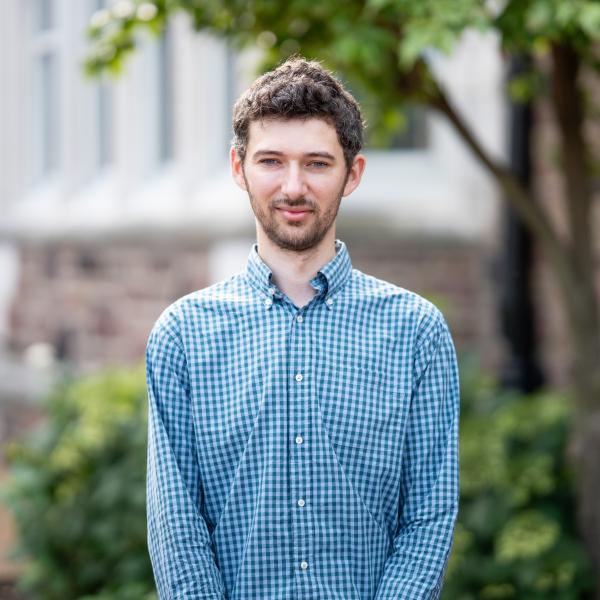
Carly Wayne, associate professor of political science, recently took over leadership of the program and is excited to work on an initiative that helps students from all backgrounds see graduate school as a real and attainable option. “By making the expectations, skills, and pathways of advanced study transparent — and by providing early research experience and mentoring — the program equips talented students with the tools they need to succeed and strengthens the pipeline into political science graduate study,” she said.
Sheridan’s current research illustrates what that pipeline looks like in practice and reflects the value diverse perspectives bring to the field. She is interested in single parents as a voting bloc and has worked with Matthew Hayes, associate professor of political science, on research examining how female candidates’ hairstyles influence voter preference. Sheridan said her background gives her valuable insight as a researcher.

“I think having different experiences helps political science,” she said. “For example, as someone who was on welfare, I can ask questions in a more empathetic way that might generate richer information. Instead of asking, ‘Are you on welfare?’ I would say, ‘Tell me about your experiences with the welfare system.’ Those are two different questions, and they will lead to two different answers.”
Beyond research experience, Sheridan said she also learned important unwritten rules and academic cultural knowledge that her life experience had not provided. Through WUSTEPS, she gained guidance on how to frame a statement of purpose for graduate school. “I just wouldn’t have known these smaller cues you need to write a statement of purpose or personal statement,” she said.
WUSTEPS helps ensure that the next generation of political science scholars is prepared to engage with a complex political landscape — one that does not miss out on talent, regardless of where it originates.
“Political science needs diverse perspectives, especially in this current political moment when diversity isn’t necessarily valued,” Sheridan said. “Otherwise, we’ll keep asking the same kinds of questions, which won’t advance the field — and the world will know less.”