Our people are extraordinary.
Arts & Sciences has over 1,000 faculty and staff who utilize their diverse expertise in the pursuit of research breakthroughs, gaining a deeper understanding of the world's most pressing issues and serving as mentors of the next generation.
select honors from our faculty
Department of Art History and Archaeology
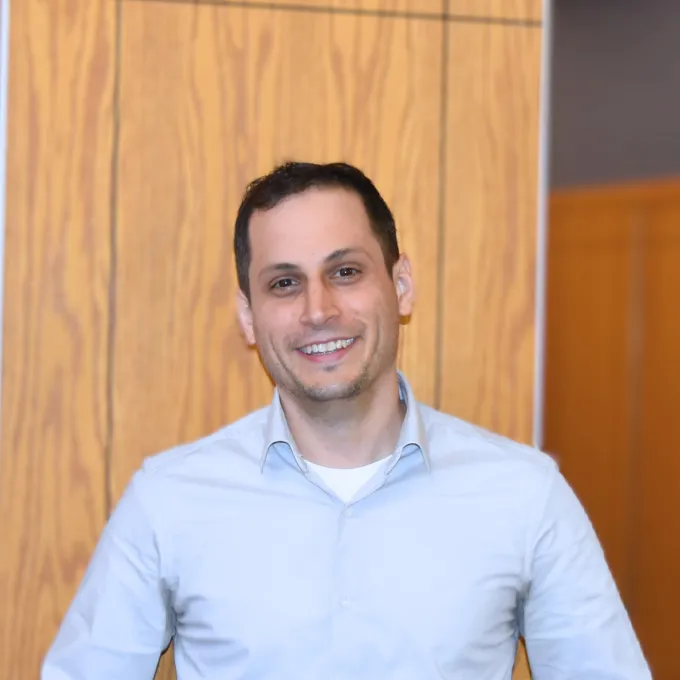
Eyal
Tamir
Jewish, Islamic, and Middle Eastern Studies
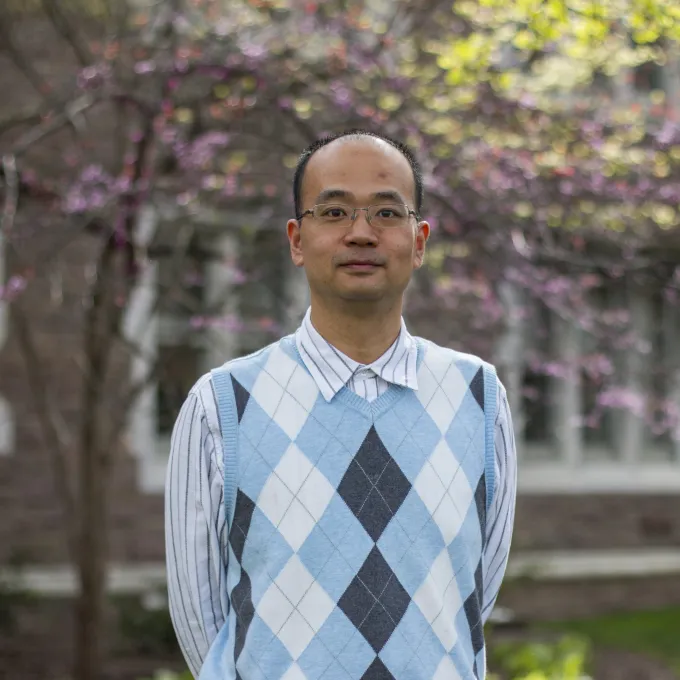
​Xiang
Tang​
Department of Mathematics
​Younasse
Tarbouni
Jewish, Islamic, and Middle Eastern Studies
Lynne
Tatlock
Comparative Literature and Thought
Margit
Tavits
Department of Political Science
John-Stephen​
Taylor
Department of Chemistry
Tamara
Taylor
College Writing Program
Terri
Taylor
College Writing Program
Victoria
Thomas
Department of English
Matthew
Thompson
College Writing Program
Renee
Thompson​
Psychological & Brain Sciences
Blake
Thornton
Department of Mathematics
Mikhail
Tikhonov
Department of Physics
Manuela
Topalbegovic
Department of Music
Aya
Tozawa
East Asian Languages and Cultures
Rebecca
Treiman​
Psychological & Brain Sciences
​Corinna
Treitel​
Department of History
​Erik
Trinkaus​
Department of Anthropology
Akiko​
Tsuchiya​
Romance Languages and Literatures
​Andrea
Urice
Performing Arts Department
Brian
Vaccaro
Department of Music
Mira
Vale
Department of Sociology
​Mark
Valeri​
Religious Studies
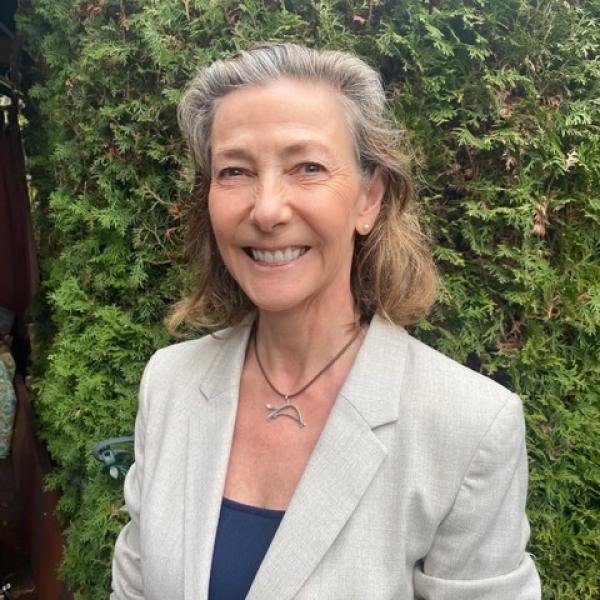
Claudia Swan
Eyal Tamir
​Xiang Tang​
​Younasse Tarbouni
Lynne Tatlock
Margit Tavits
John-Stephen​ Taylor
Tamara Taylor
Terri Taylor
Victoria Thomas
Matthew Thompson
Renee Thompson​
Blake Thornton
Mikhail Tikhonov
Manuela Topalbegovic
Aya Tozawa
Rebecca Treiman​
​Corinna Treitel​
​Erik Trinkaus​
Akiko​ Tsuchiya​
​Andrea Urice
Brian Vaccaro
Mira Vale
​Mark Valeri​
Pagination
Pagination
Recent Faculty Grants & Awards
Kevin Moeller, professor of chemistry in Arts & Sciences, recently received a nearly $1.2 million grant from the National Science Foundation. The award will support Moeller’s work with the collaborative Center for Synthetic Organic Electrochemistry.
See what our faculty are working on now
More from The Ampersand
Marking memory: How public commemoration confronts the past
In an increasingly digital world, how do physical places, public art, and monuments help communities preserve and understand difficult histories?