Semester 1: Geographies of Globalization & Development
This course provides an overview of the geographies of globalization and development in the world today. The first half of the course grounds students in the foundational theoretical perspectives, definitions, and debates that shape our contemporary patterns of inequality, social injustice, and environmental conflict. In particular, we introduce critical theories of globalization and capitalism, including Marxist perspectives and analyses of neoliberalism, to explore how governments and economic systems shape development outcomes as well as everyday ways of living and being in the world. In the second half of the course, we turn to specific current issues at the forefront of globalization and development debates, including migration, urbanization, sustainable development, extractive industries, and indigenous knowledge systems. By the end of the semester, students will develop a clearer understanding of their own place within an interconnected global system and gain theoretical tools to engage with key global issues shaping the world today.
Workshop for the Global Citizenship Program
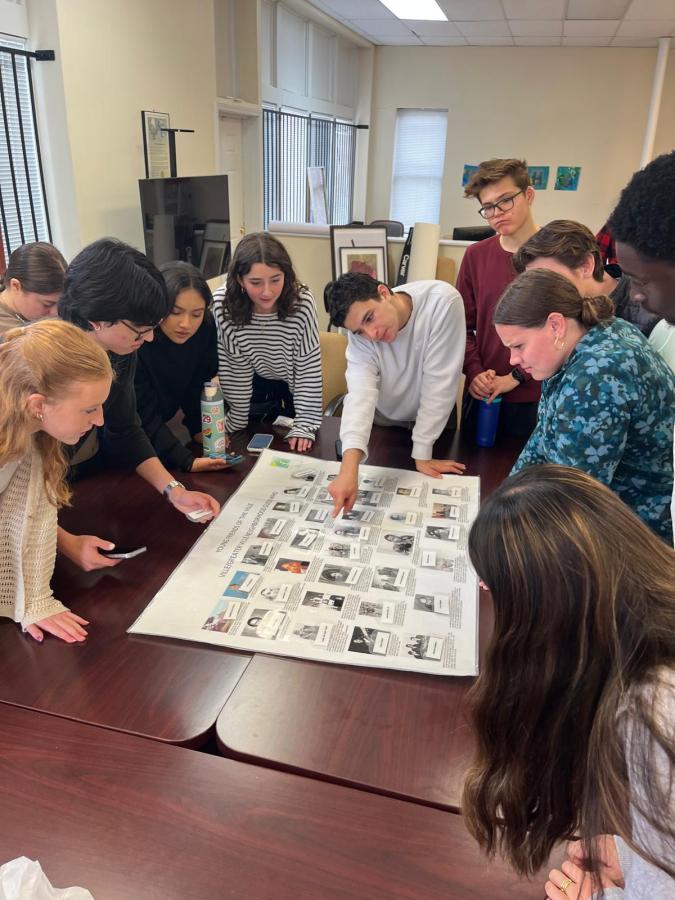
This one-credit yearlong workshop is a companion to the core GCP fall course and students to reflect critically on their own relationship to the concept of Global Citizenship. Through popular education and creative-based methods, students will explore their situated knowledges, worldviews, positionalities, and biases. The course engages with social, environmental, and epistemic justice themes through a decolonizing lens to question and reimagine how to embody critical global citizenship. By the end of the workshop, students will have tools to support their analysis and intentional engagement with the global-local community.
Semester 2: Connecting Local Worlds & Global Systems
This course builds on the theoretical foundations of Geographies of Globalization and Development to explore the ways globalization manifests in our own local communities and national context. We begin by examining the role of the state and American capitalism, with particular attention to how histories of U.S. slavery, settler colonialism, and empire have shaped the development of global capitalism and contemporary forms of inequality. Over the course of the semester, students deepen their understanding of how global processes are produced and maintained through local institutions, policies, and everyday practices. Through case studies centered in the United States, we engage with key global–local dilemmas including immigration and borders, carcerality and state surveillance, racial capitalism, and uneven development. The course emphasizes how U.S.-based issues both reflect and reinforce broader global systems of power. The semester culminates in a student-led research project that applies course concepts to a locally grounded issue with global significance.
Workshop for the Global Citizenship Program
This workshop is praxis-oriented and asks students to apply and further reflect on the concepts learned during the Fall. Each workshop session will offer tools for meaningful engagement, social change, community building, and collective care. Towards to end of this journey, students will have gained important frameworks to understand the global and its relationship to our local realities, meaningful life experiences collaborating across differences, and powerful tools for future community engagement.