Manager of Siteman Cancer Center’s Survivorship program
Email: rhobson@wustl.edu
Phone: 314-454-8064
Emily Panio-Brenneman, RN
Coordinator for the Arts + Healthcare program, BJC
Email: emily.paino-brenneman@bjc.org
Phone: 314-362-0000
Student Testimonials
Student Testimonials after semesters one and two
Zoey Scher, Fashion Design major
The Biology of Cancer is both my favorite course that I have taken so far here at WashU, and the most interesting, especially as I am on the pre-med track. I am so glad that I took this course as I feel it provided me with an incredibly strong introduction into some of the pathways, mechanisms, and basic foundations I will need to know to pursue my intended career path. The course covers a large breadth of information, but it never felt overwhelming or overly difficult because of the light-hearted, constructive, collaborative environment that was fostered in the classroom. Since taking this course, I feel significantly more prepared to move forward in the oncology field and am much more certain that this path is what’s right for me.
Lojain Elkhidir, Biology major and Psychological & Brain Sciences and Medical Humanities minors
The Biology of Cancer has been my favorite course I've taken at WashU so far! This course offers a unique opportunity to develop a nuanced understanding of cancer biology by addressing a wide variety of topics, from the hallmarks of cancer to diagnosis to treatment. I truly appreciated how this course went above and beyond to explore the implications of what we were learning for modern day research in oncology. For someone considering pursuing the pre-health path, I would highly recommend this Ampersand program. Not only will you learn so much, but it provides a space for individuals who share a passion and interest in oncology to interact and learn from each other!
Student Testimonials after semester three
McKenzie Halpert, Biology major and Psychological & Brain Sciences minor
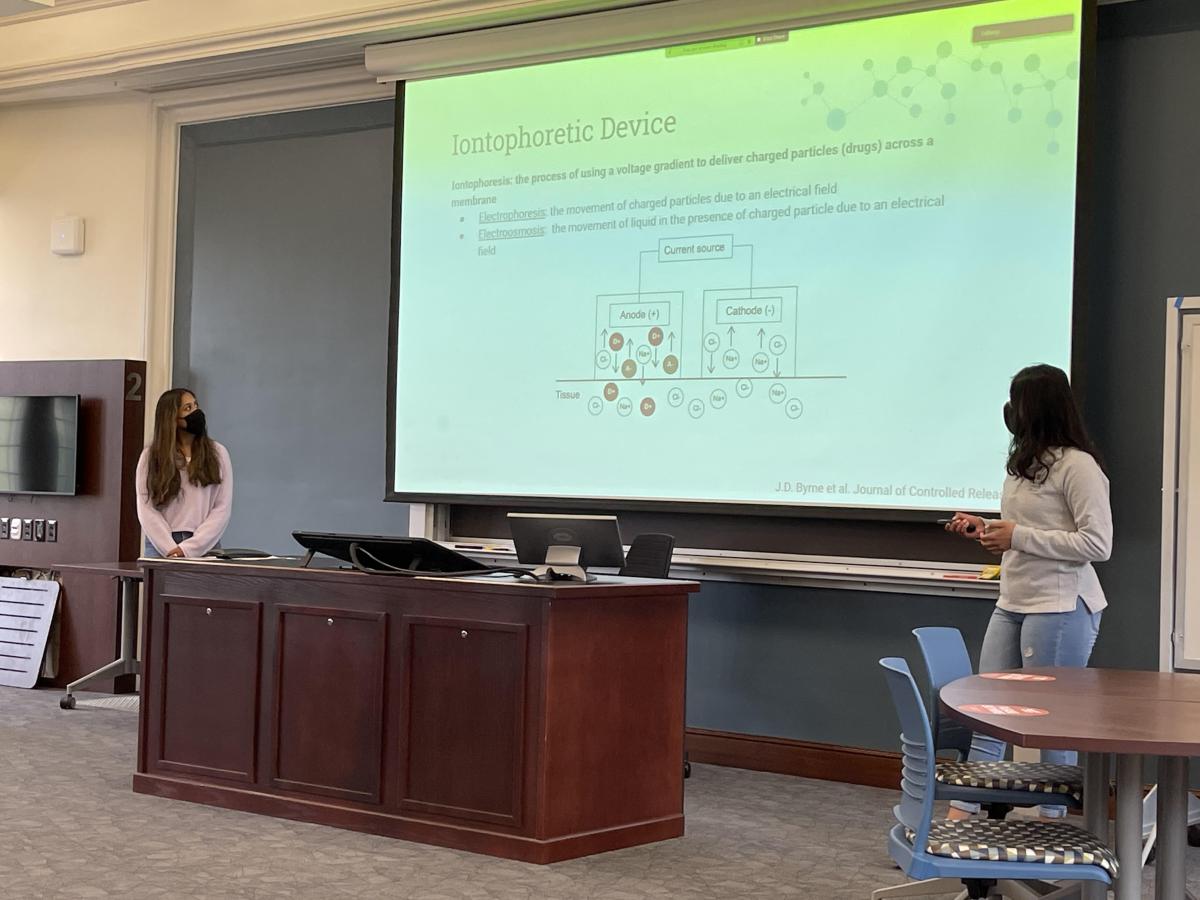
Whether you are looking to gain experience evaluating innovative research, dive into the realm of novel cancer treatment, or experience the camaraderie of a small class setting, The Hallmarks of Cancer & Patient Care has it all! The course’s group project-based curriculum facilitates collaboration and engagement while giving students the freedom to explore fascinating topics in oncology research that spark their interest. Joining this Ampersand program was one of the best decisions that I made at WashU. I couldn't wait to attend class each week as the instructors are phenomenal, the content is intriguing, and the environment is beyond supportive and welcoming. From the third semester of this program, I’ve been able to gain a much greater understanding of the holistic nature of cancer and its pioneering treatments as well as hone critical thinking, communication, and teamwork skills that have helped me even beyond the course.
Will Leidig, Neuroscience major and Jazz Studies minor
The most crucial skill I gained from The Hallmarks of Cancer & Patient Care was being able to read and interpret medical research papers. Understanding the how and why of the experiments and the implications of their results has enabled me to independently learn about cancer and other diseases and apply that knowledge to my own research. This course gave me the opportunity to explore areas of cancer research I was interested in and accurately communicate the information in a professional format. I feel that I could not have gotten as far as I have in my research at the school of medicine and Siteman Cancer Center if it were not for the scientific competency I acquired in this program.
Student Testimonials after semester four
Taylor Holt, Genomics & Computational Biology major and Psychological & Brain Sciences minor
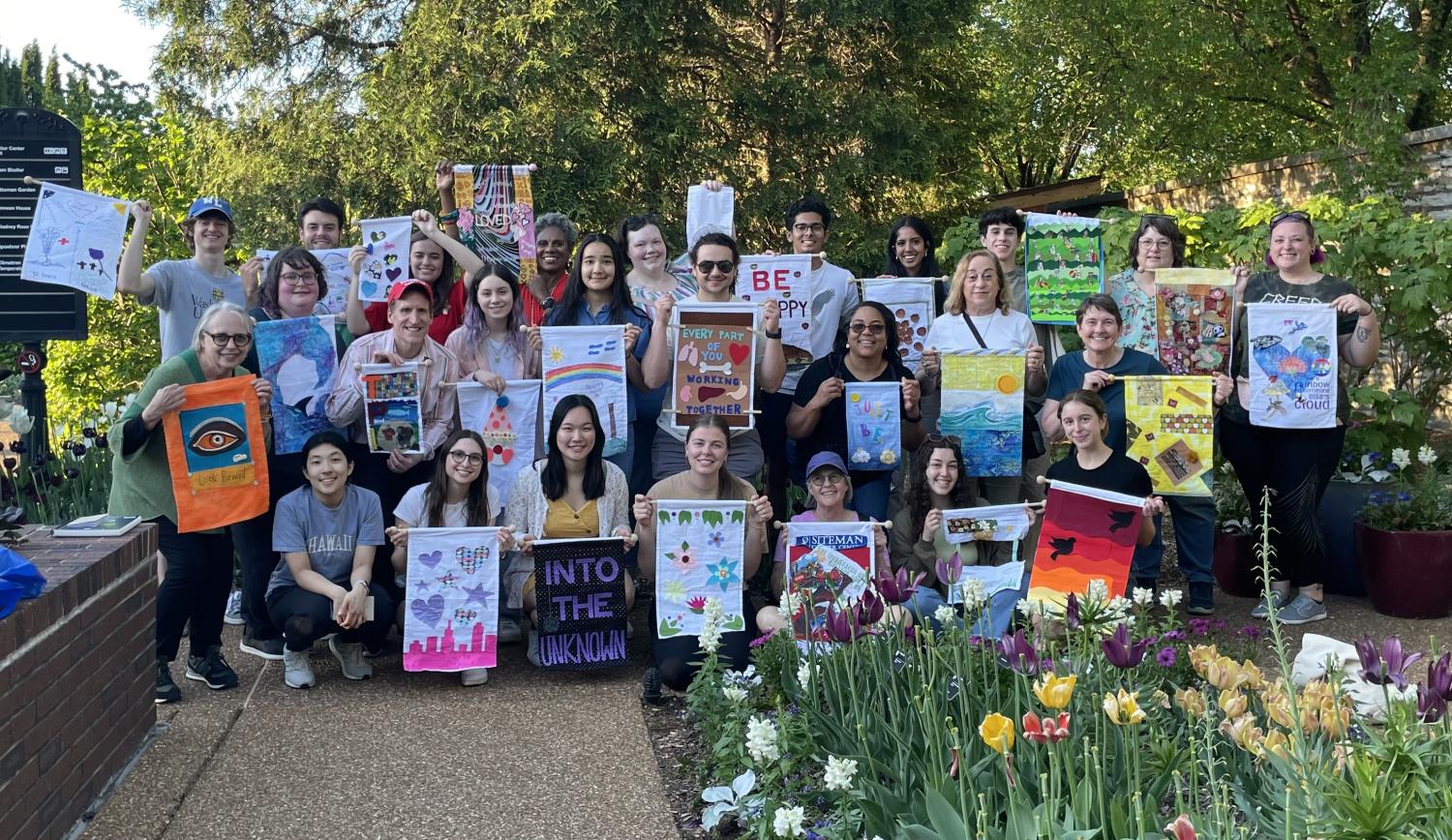
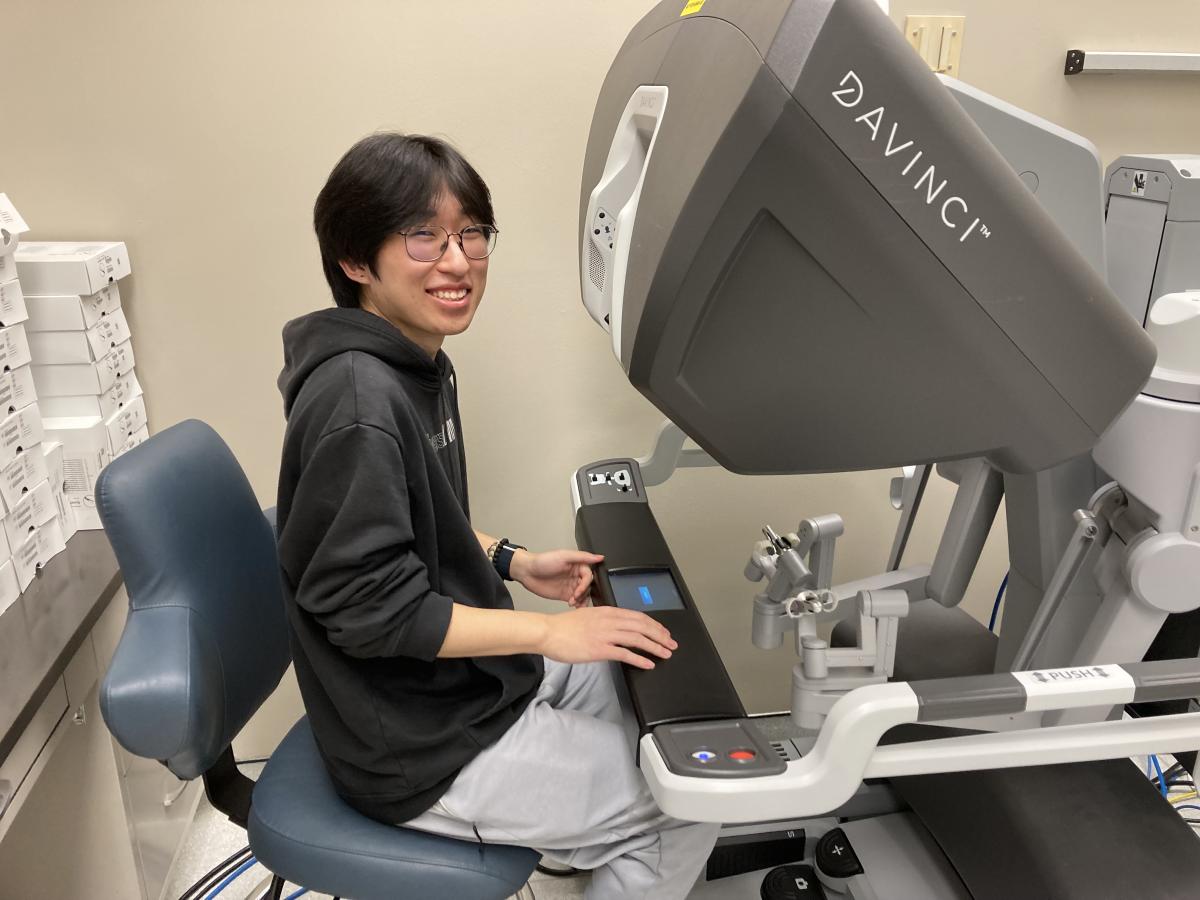
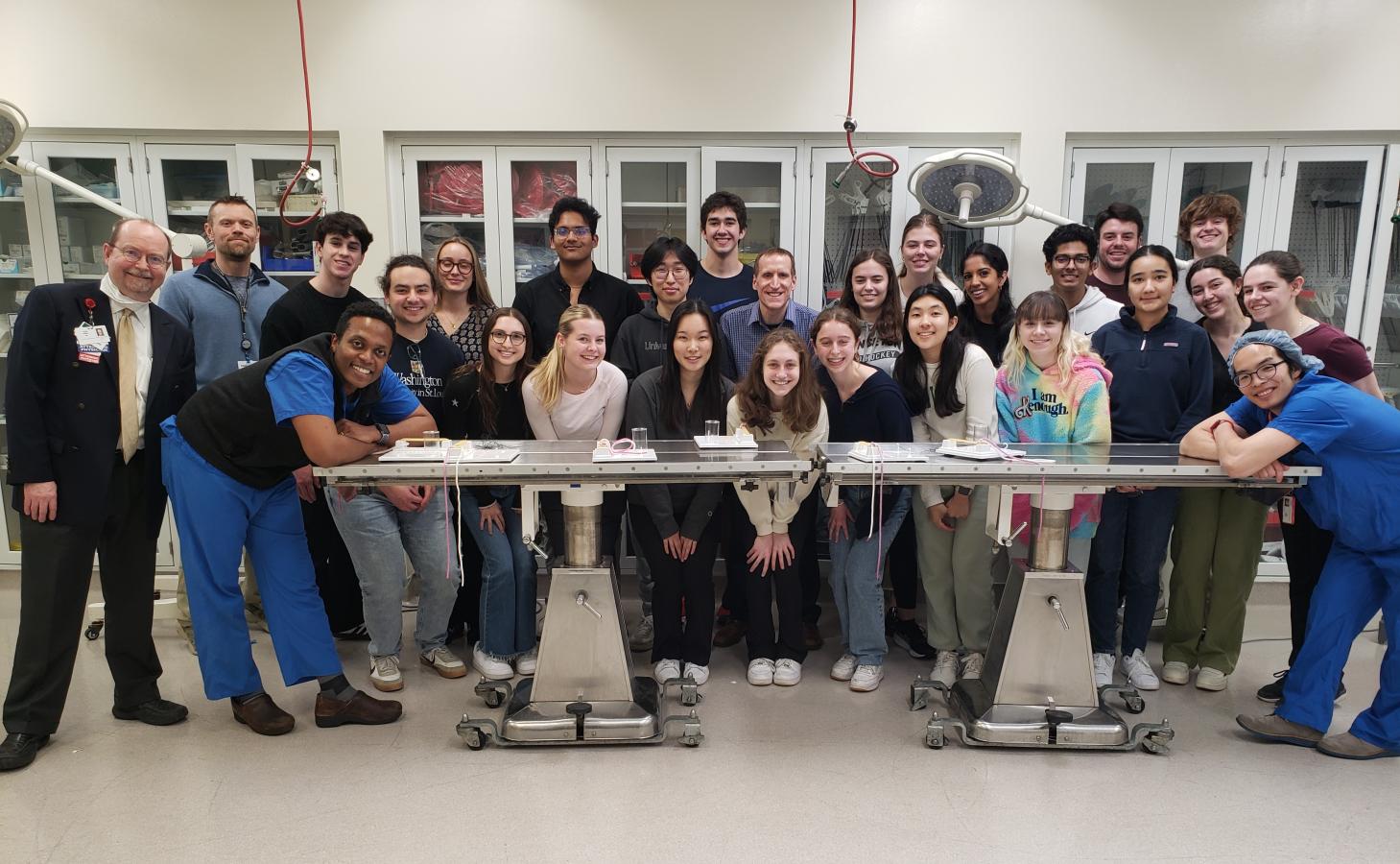
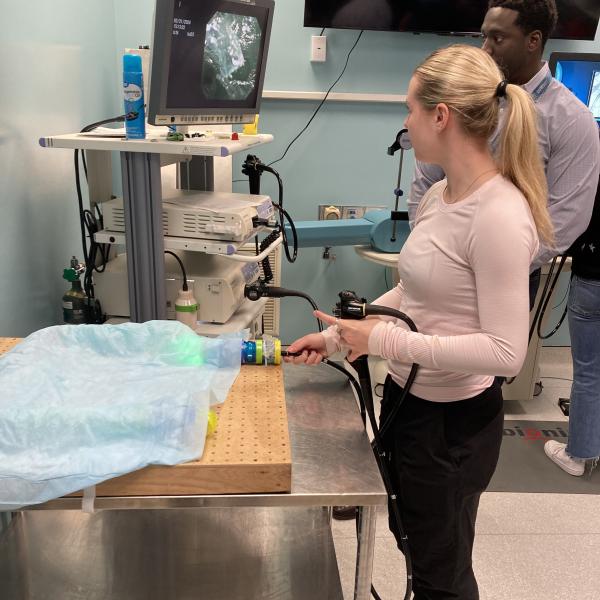
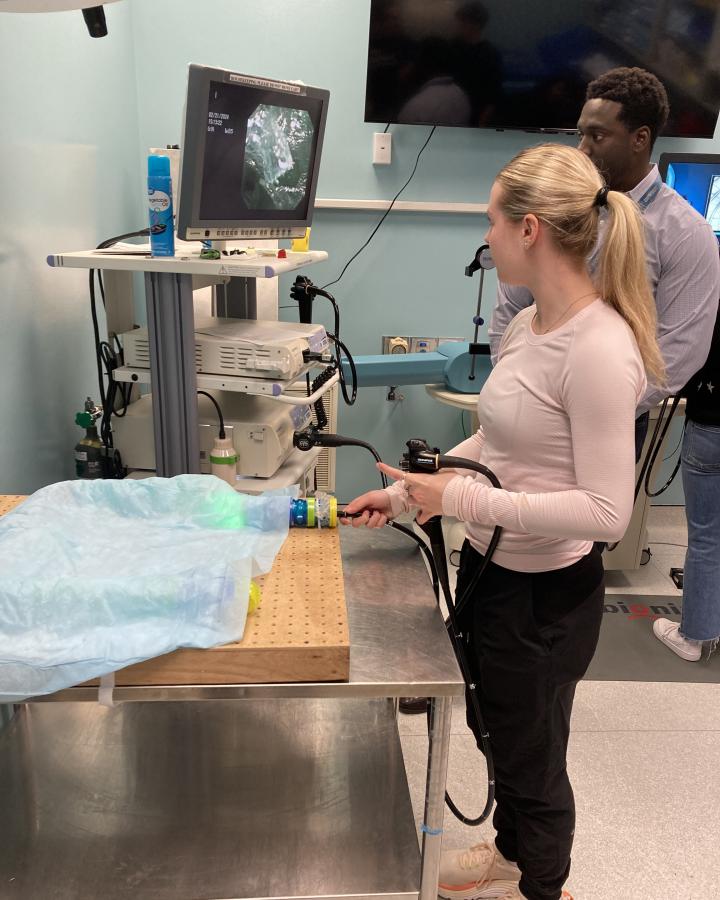
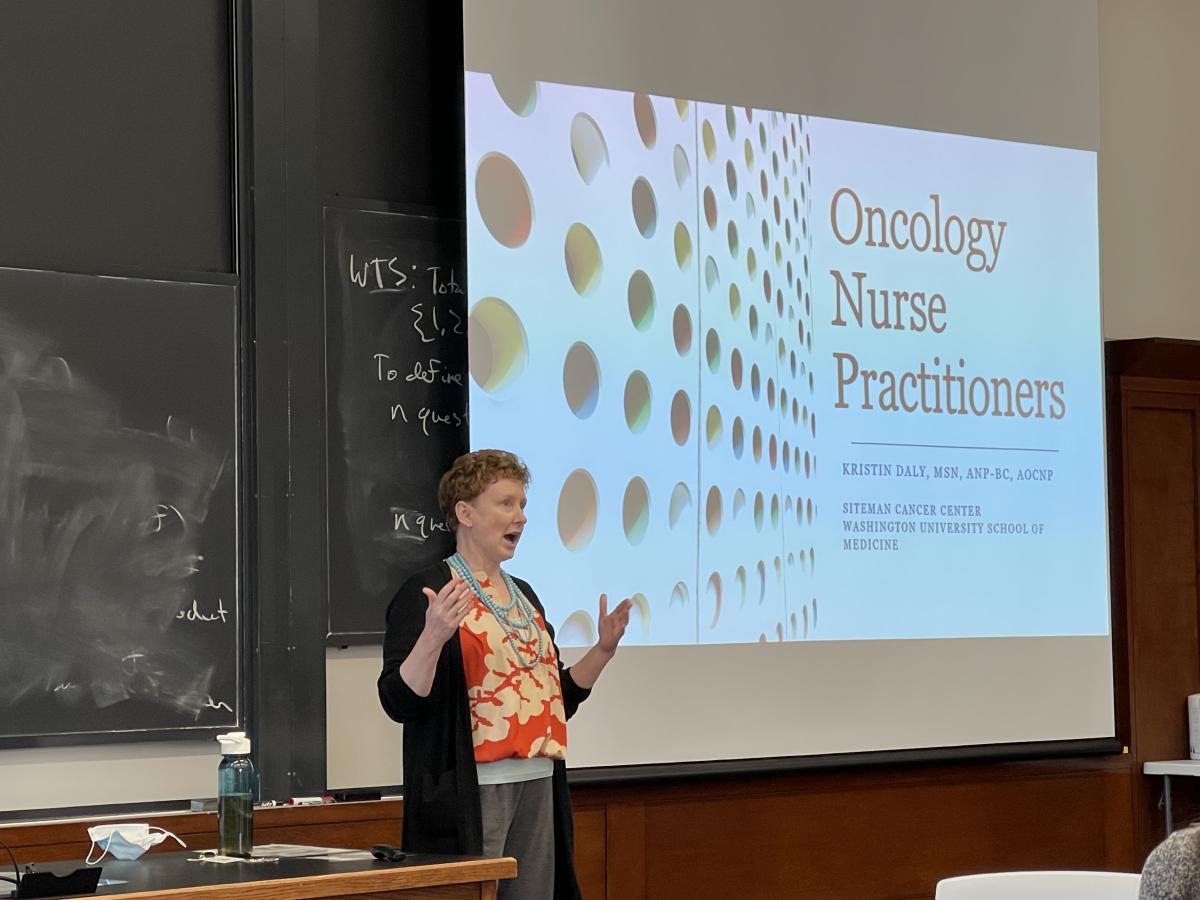
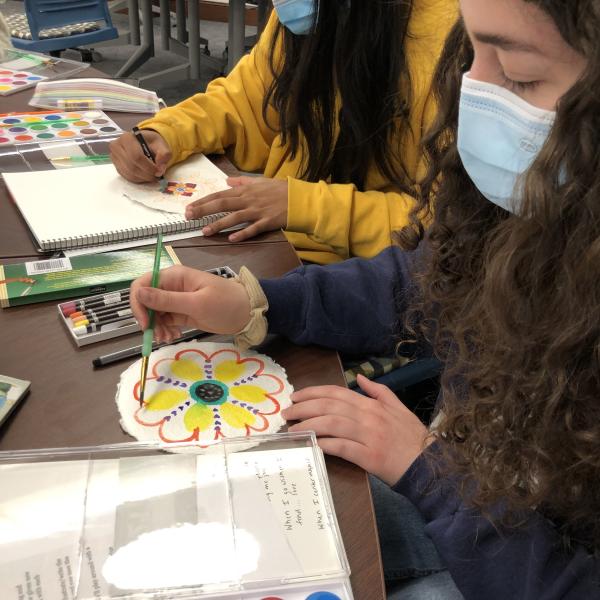
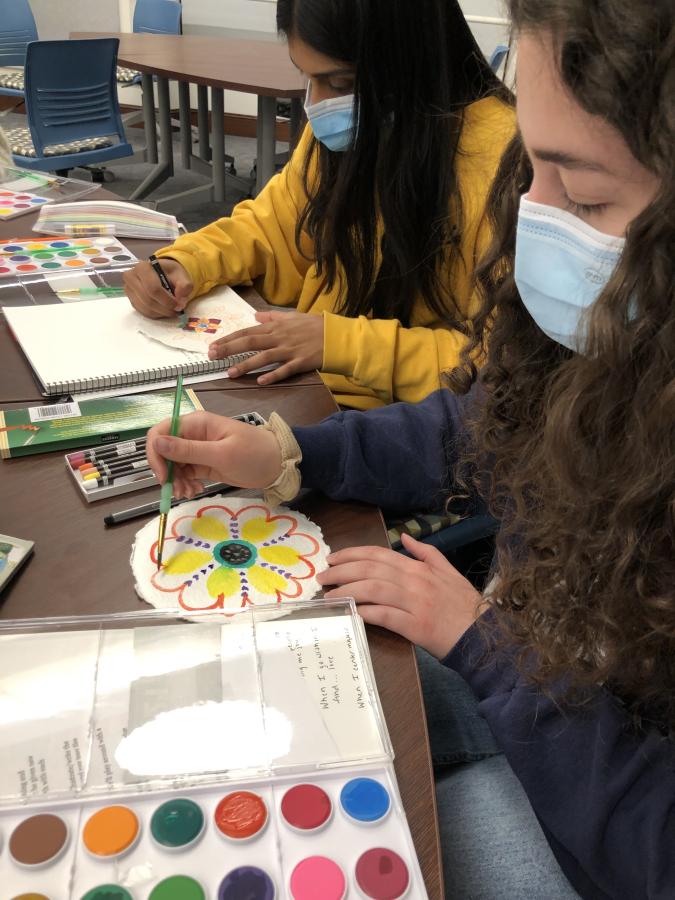
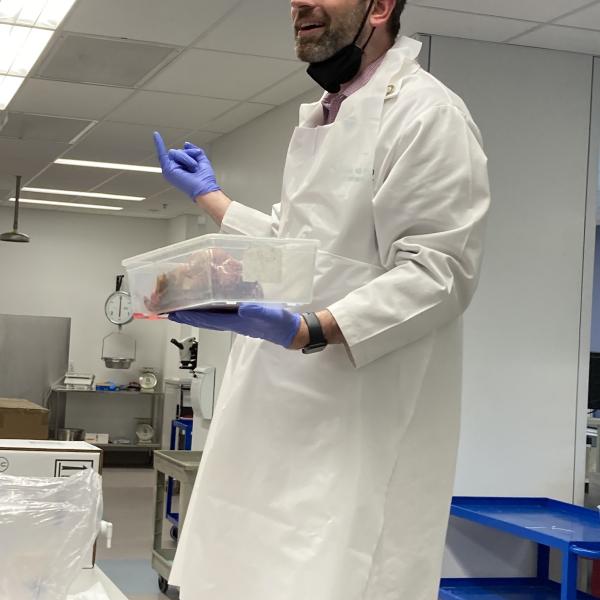
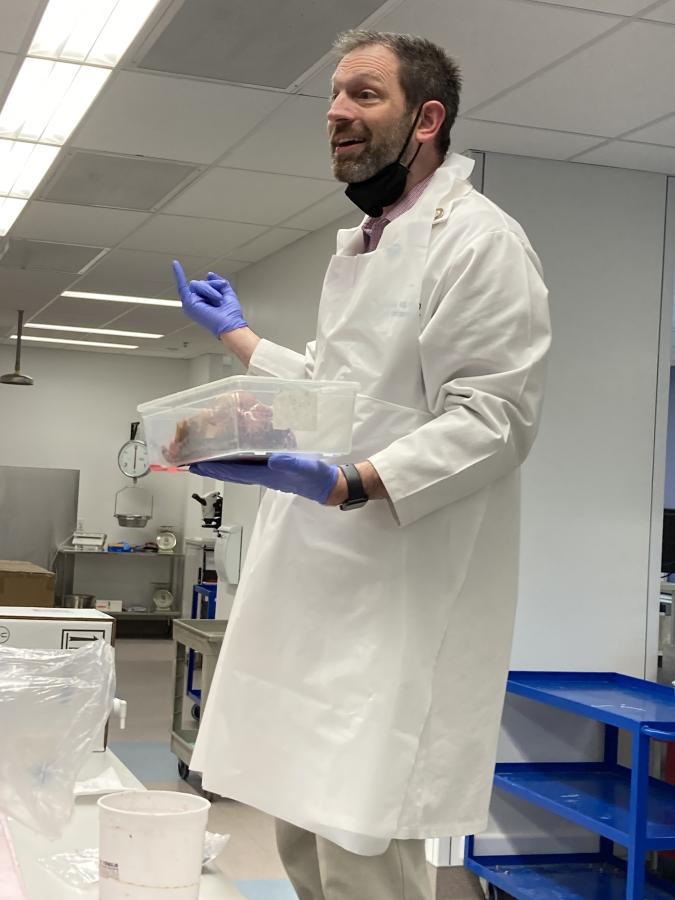
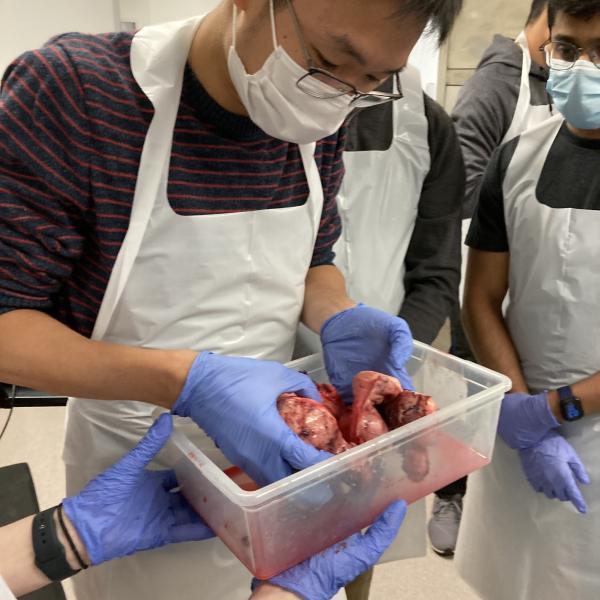
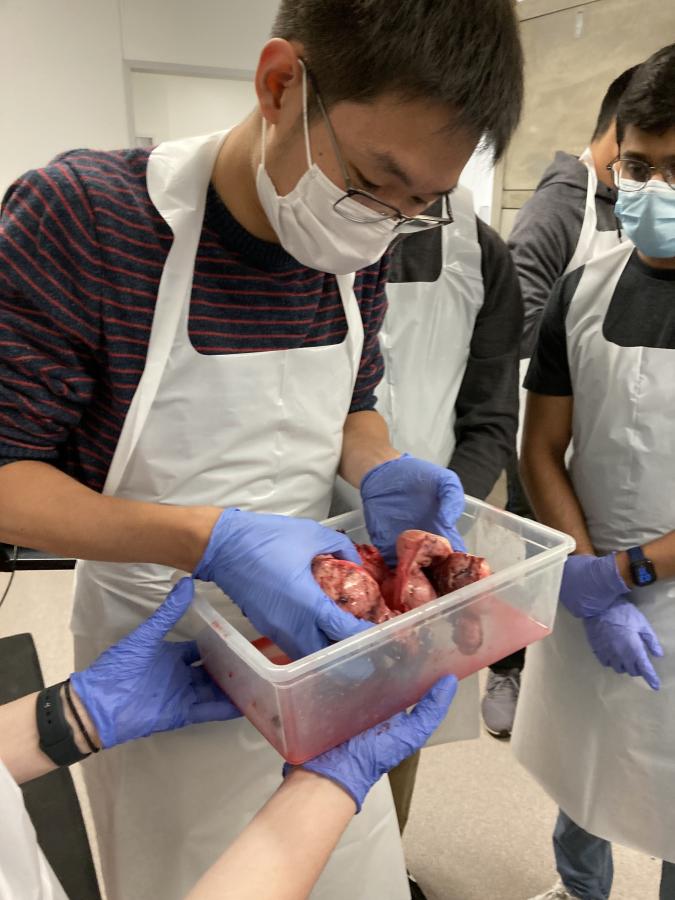
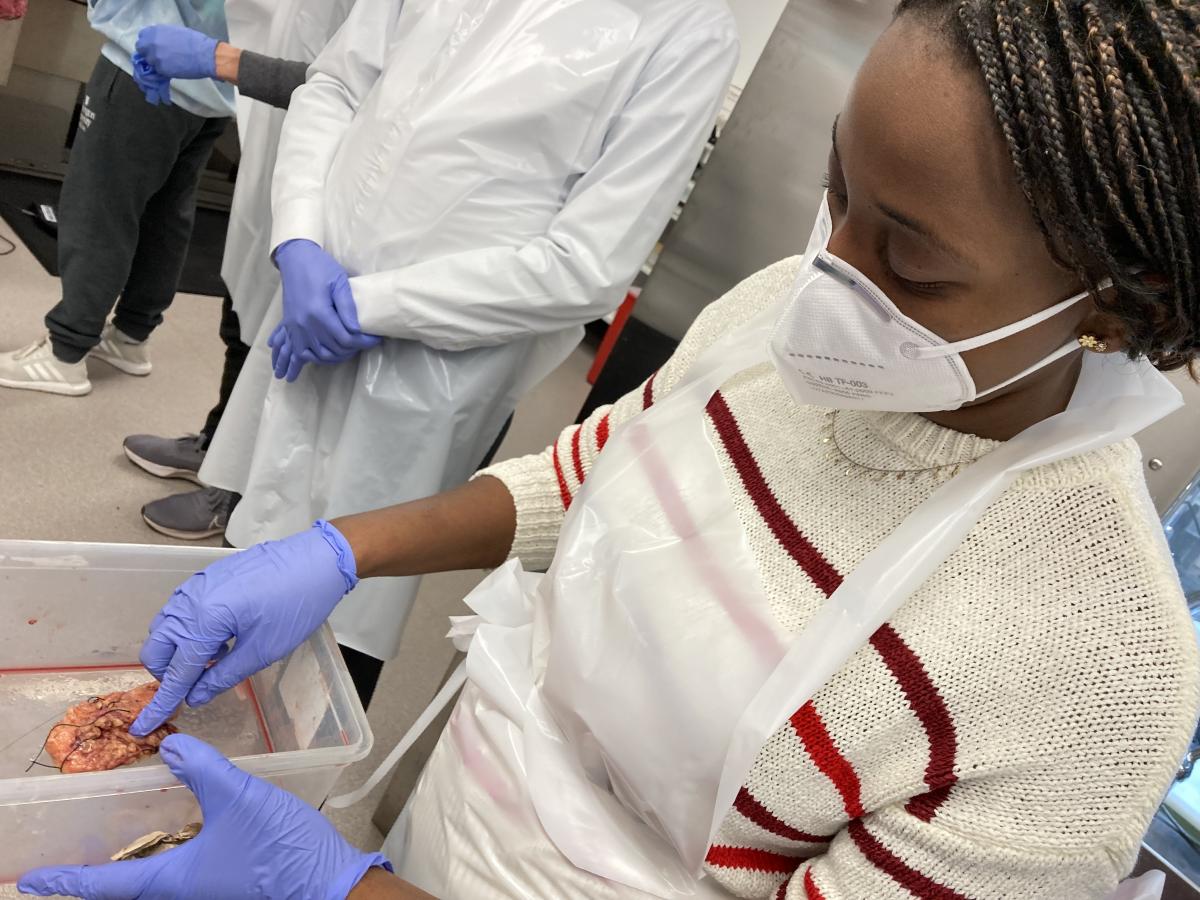
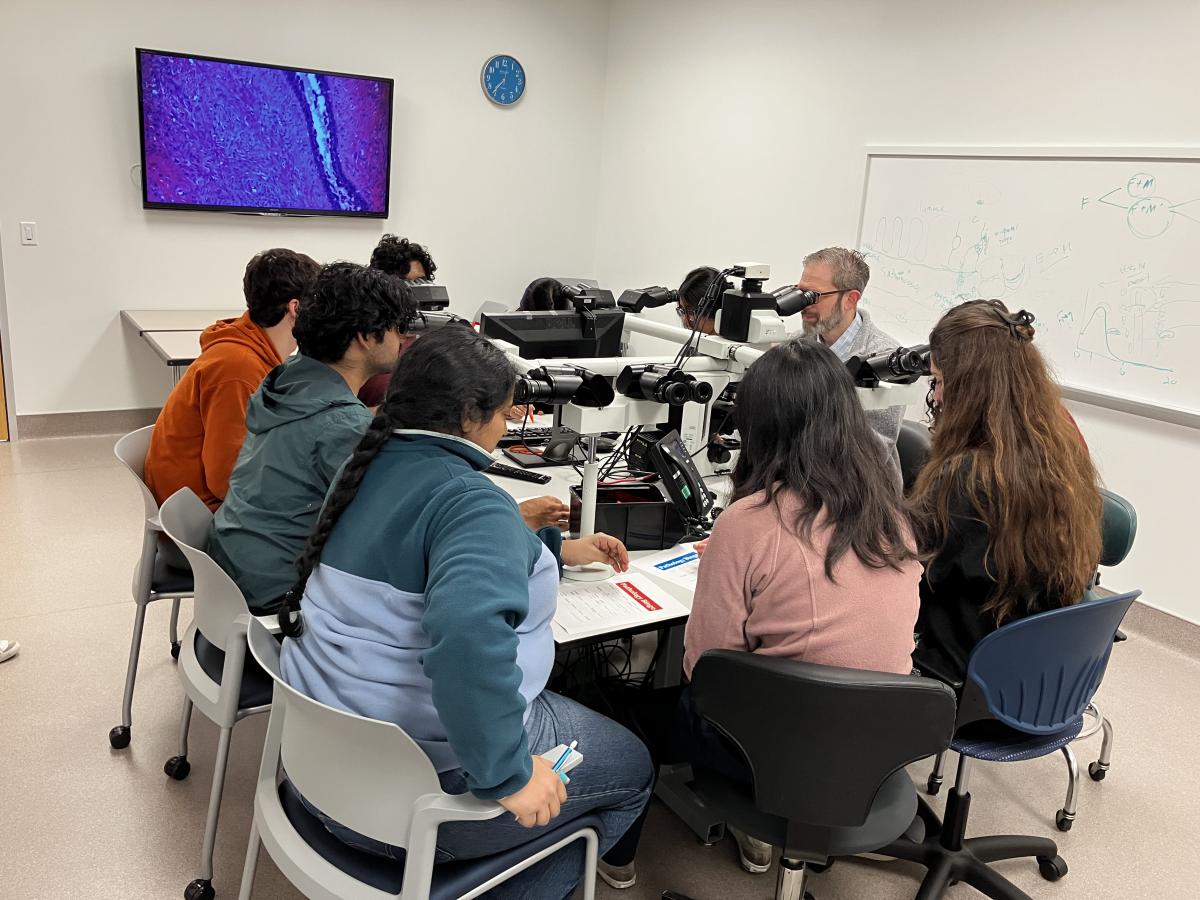
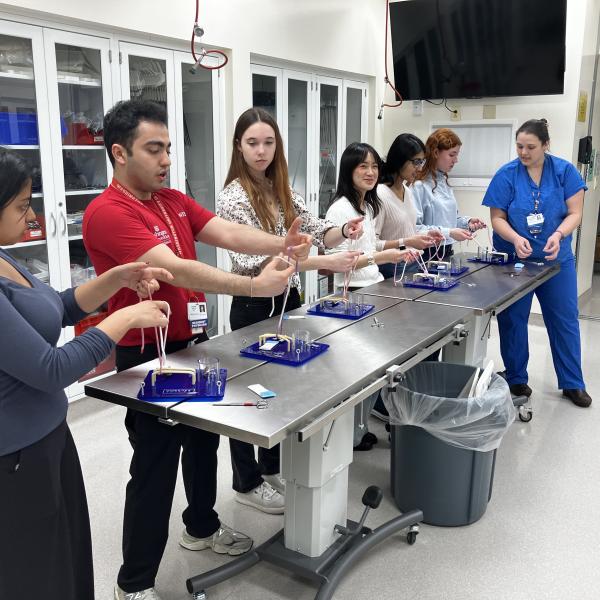
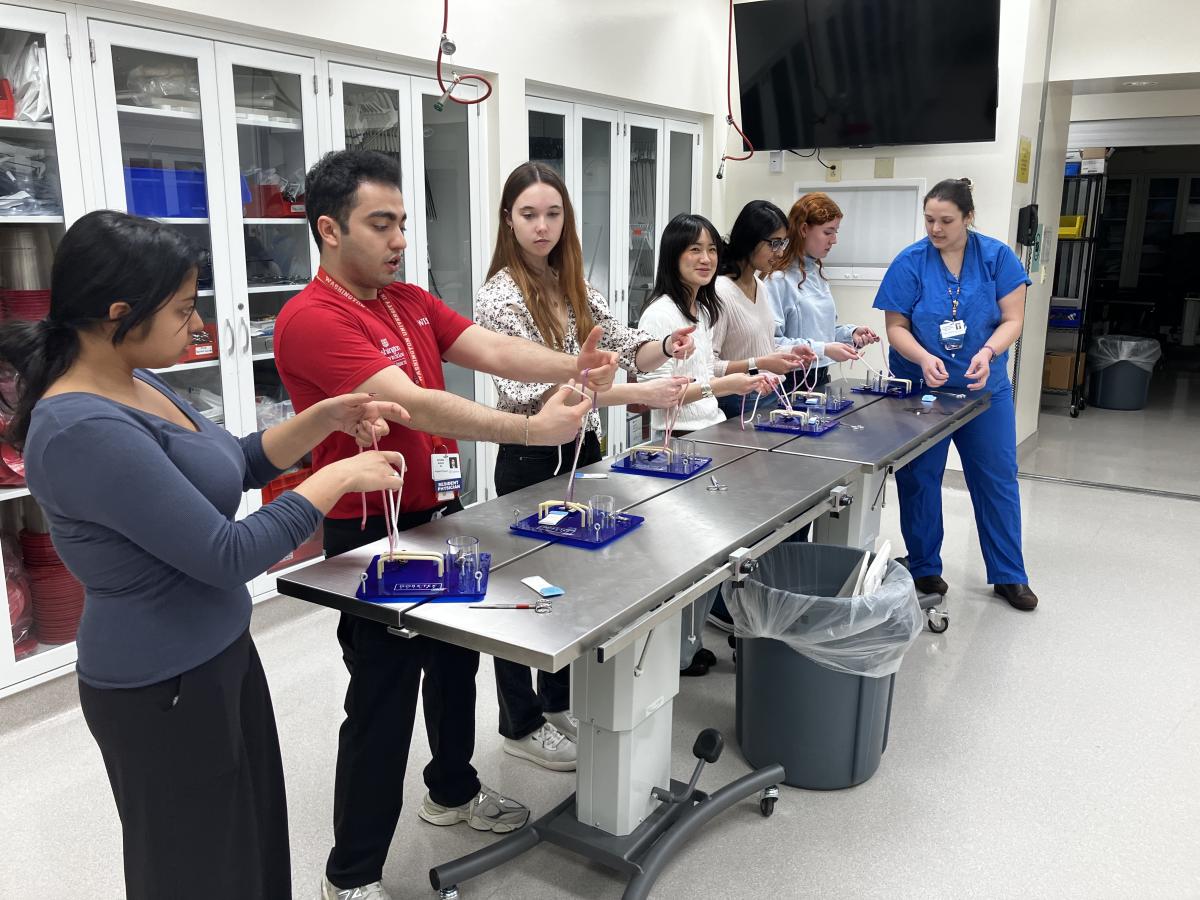
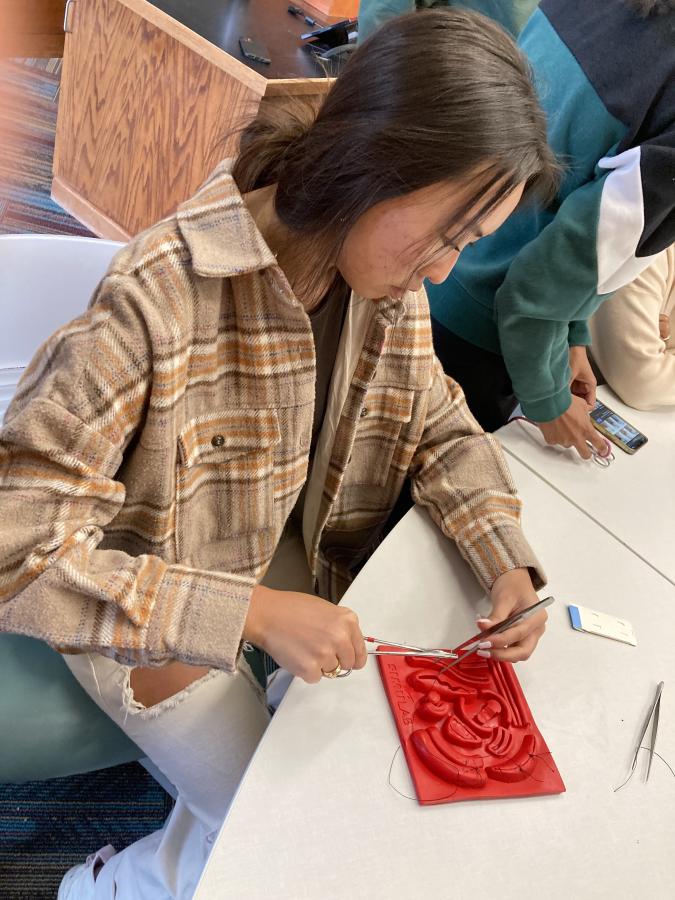
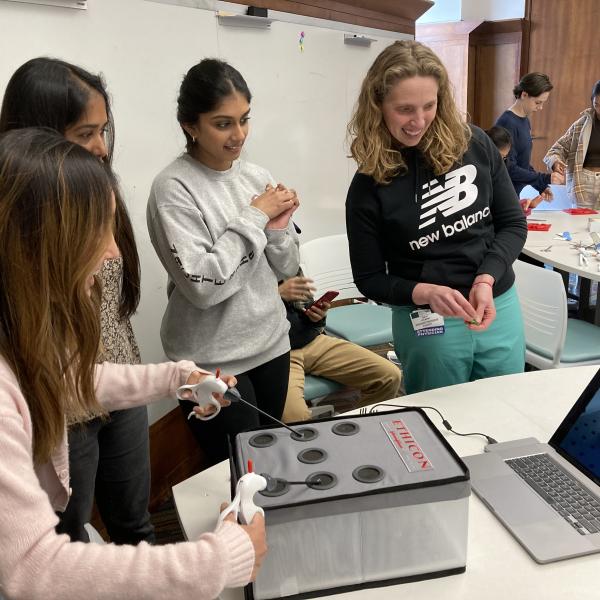
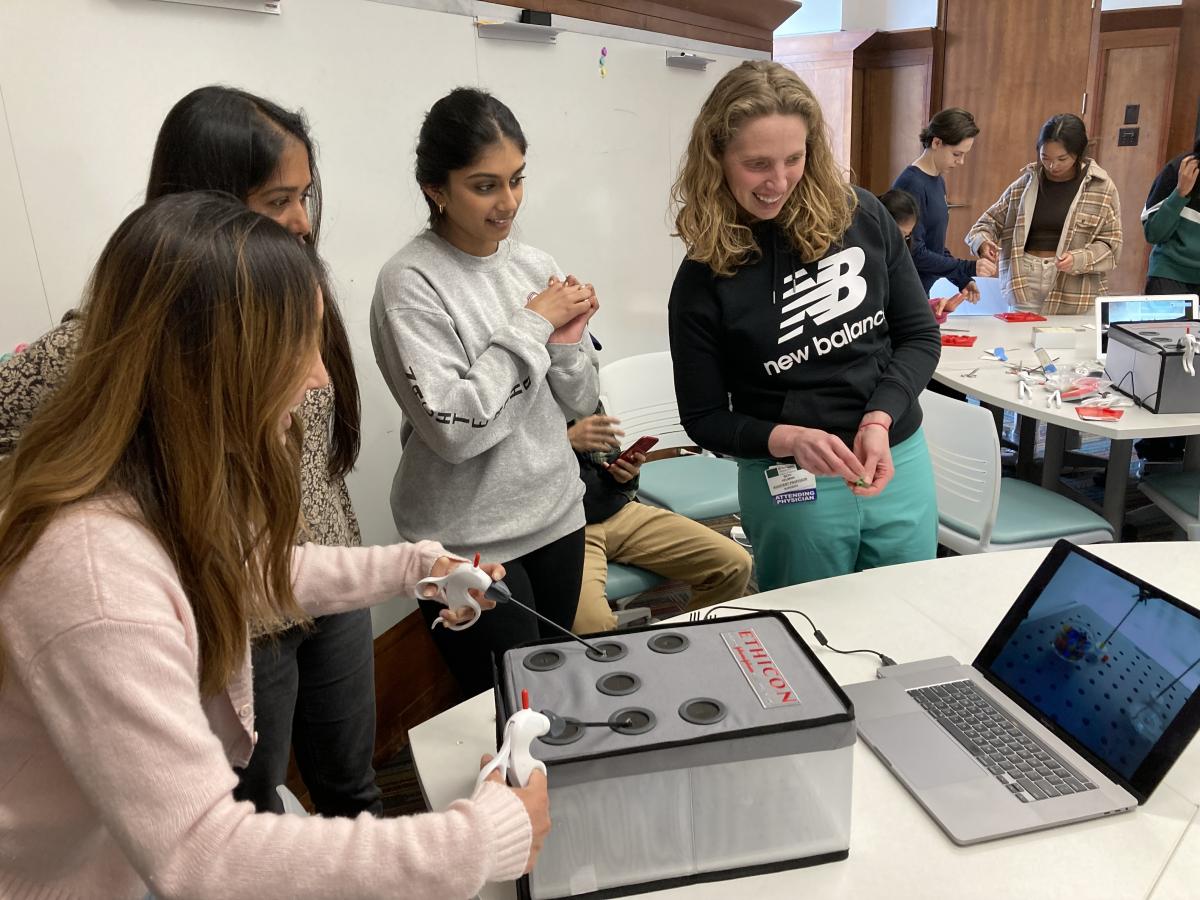
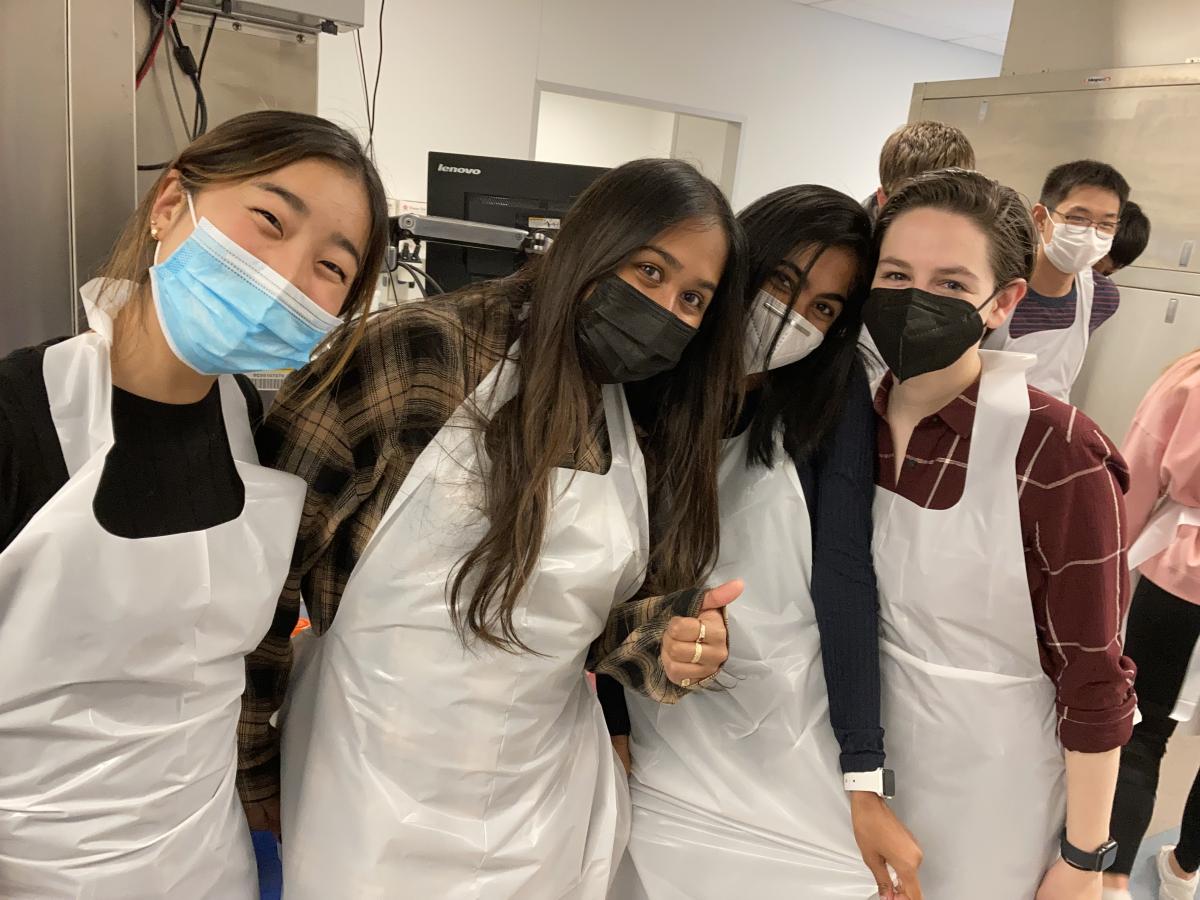
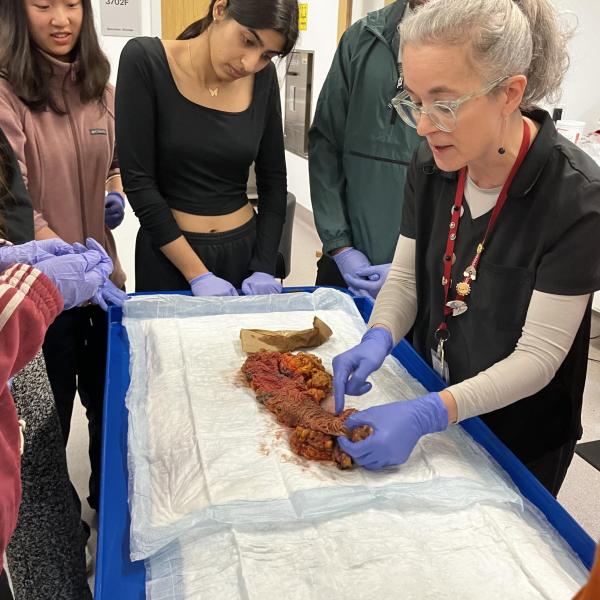
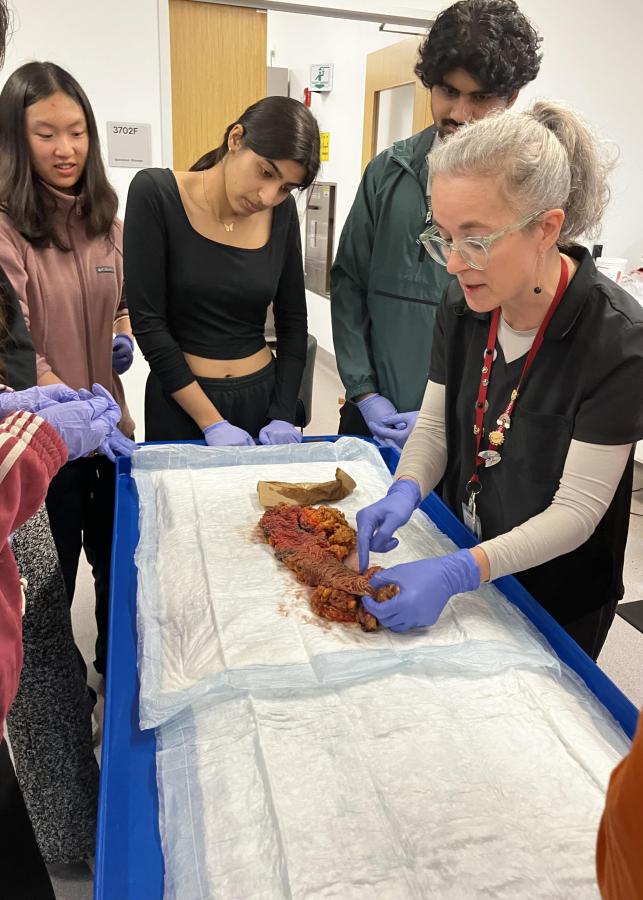
The Hallmarks of Cancer and Patient Care is an Ampersand program that is filled with great opportunities and experiences, and this is especially true during the final semester of the program. I found each day to be very exciting as I was given the chance to learn from a wide range of professionals in the field of oncology. This course also provided me with incredible experiences such as touring a pathology lab and learning how to do sutures from a surgical oncologist. Hearing about the general responsibilities and daily routines of the healthcare team, in addition to participating in art therapy with cancer patients, helped solidify my aspiration to be a physician. Another aspect of this course that I enjoyed is that it perfectly concluded the previous semesters in the sense that it helped me see how the knowledge I gained regarding cancer biology and research related to patient care.
Aditya Waddodagi, International Affairs and Economics majors
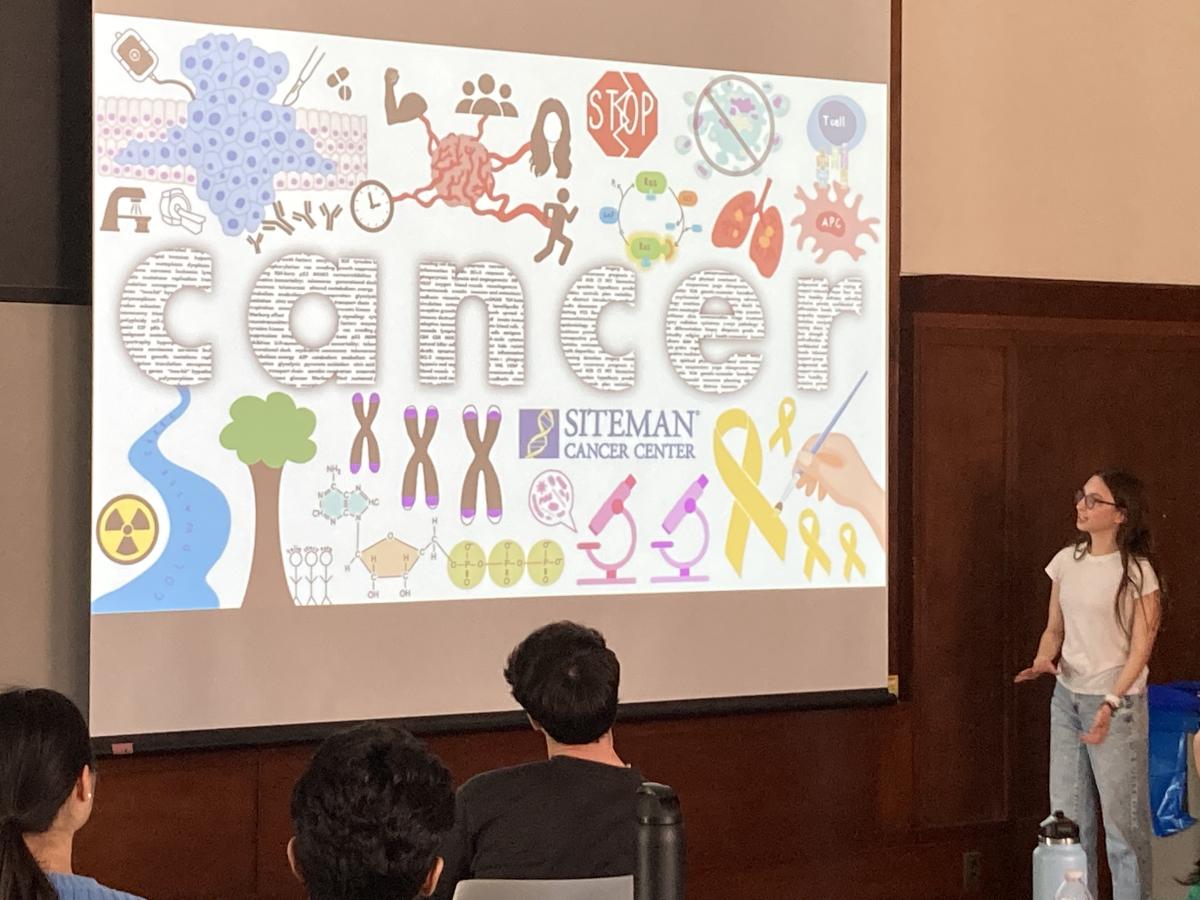
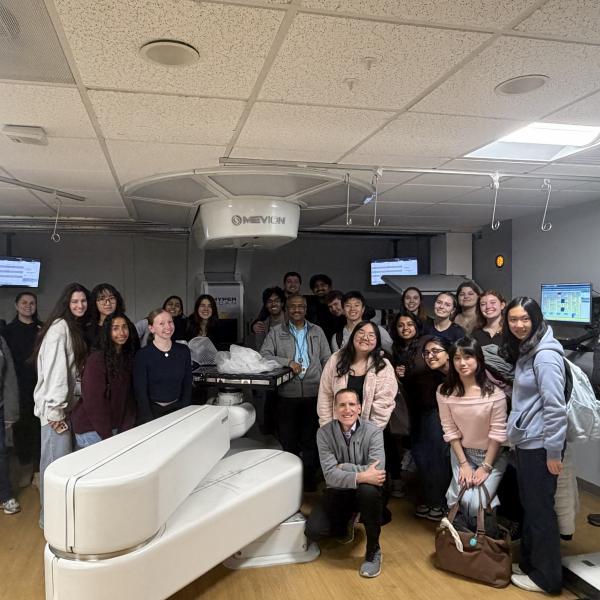
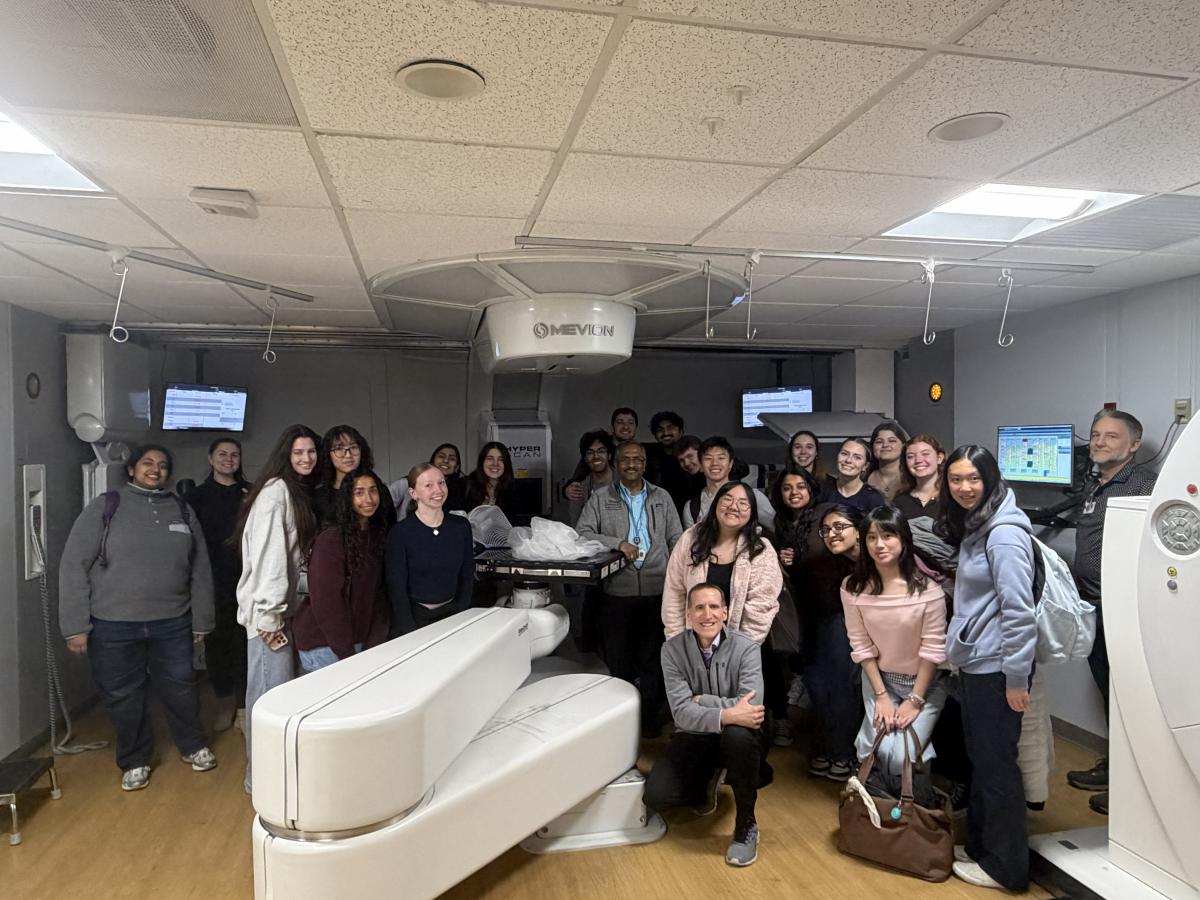
The Hallmarks of Cancer and Patient Care has been a program like no other in my time so far at WashU. The first two semesters quickly immersed me into the ins and outs of the biological mechanisms of cancer. Some topics that we studied include molecular features in normal cells, cancer genetics, and the hallmarks of cancer (the capabilities gained by cells as they progress from normalcy to cancerous). Over a matter of months, I went from an incoming freshman, whose understanding of cancer only extended to it being a deadly disease, to developing an impressive toolkit of knowledge with which I could truly appreciate its complexity. In the third semester, we put this toolkit to use through group-based interpretations of oncological research papers. Presenting these frontiers of cancer to the class and being able to answer their questions became an exciting and fulfilling experience. Presenting a topic requires you to know concepts at a high level which not only bolstered my confidence but also brought me closer to my peers in the class. Through our final semester of the program, we were exposed to the human side of cancer. This ranged from visiting the pathology and radiology departments at the School of Medicine to participating in Art Therapy Support Groups with patients battling cancer to listening to a breadth of healthcare professionals talk about their work as it relates to the illness. These last few months filled me with admiration for the patients and professionals and optimism for the future of cancer treatment. I now realize the sheer variety of ways that one can make an impactful difference in the field of oncology. From beginning to end, the program’s comprehensive approach introduces students to the field of oncology and gives them lifelong memories along the way.
"My Final Reflections on the Program" by Arju Chalasani
The Hallmarks of Cancer and Patient Care program equipped me with scientific, interpersonal, and communication skills that will benefit me for the rest of my career. The precious memories of these four semesters will remain etched in my heart, and I strive to carry the lessons I’ve learned here to medical school and beyond. Read more of Arju's full reflection.