All the World's a Stage

All the World's a Stage

A First-Year Ampersand Program

Bring Shakespeare off the page and onto the stage by exploring how his plays are performed, reimagined, and made meaningful for contemporary audiences. 

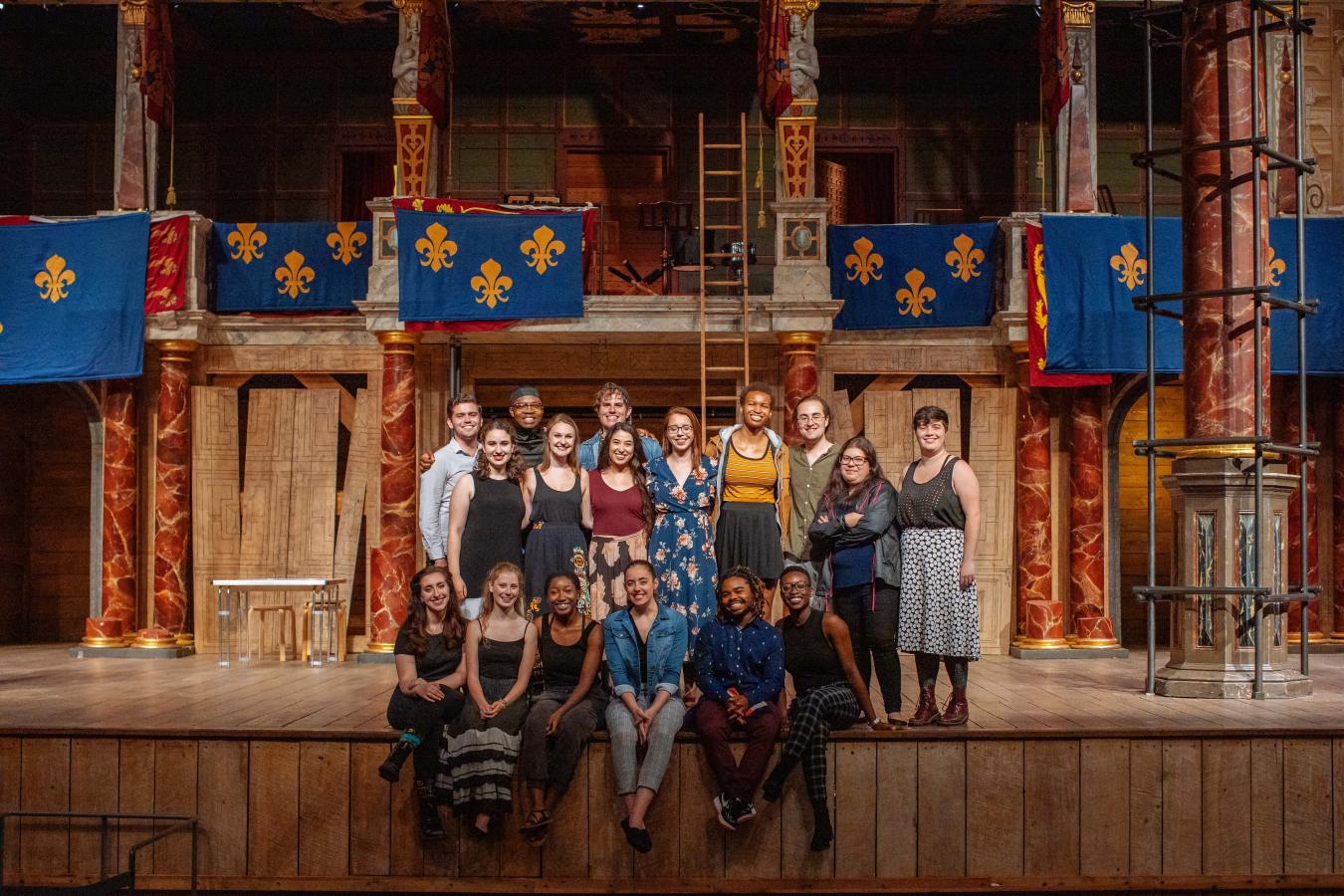
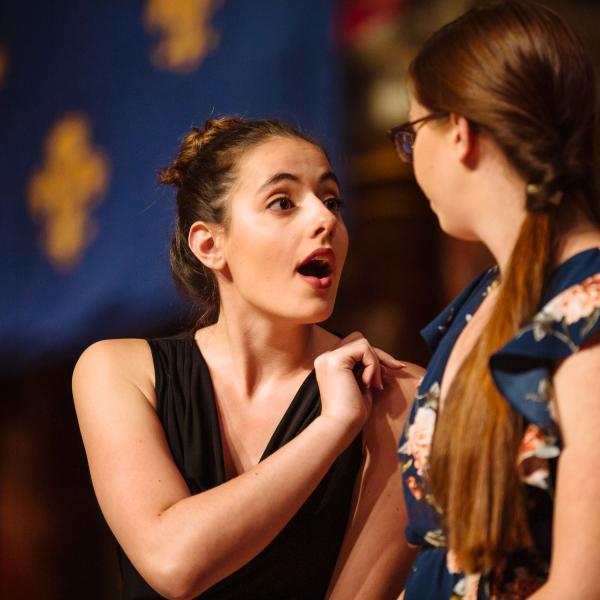
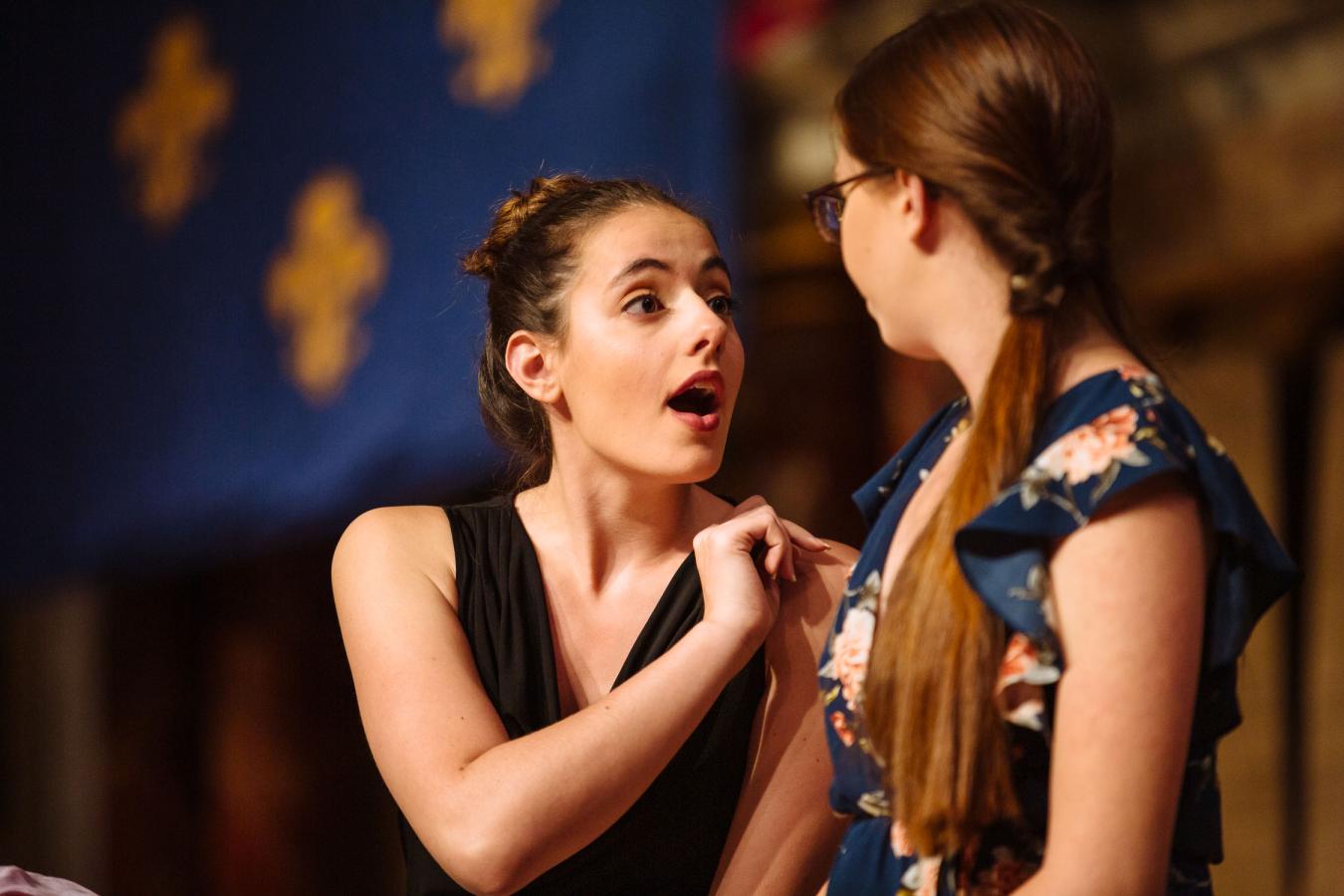
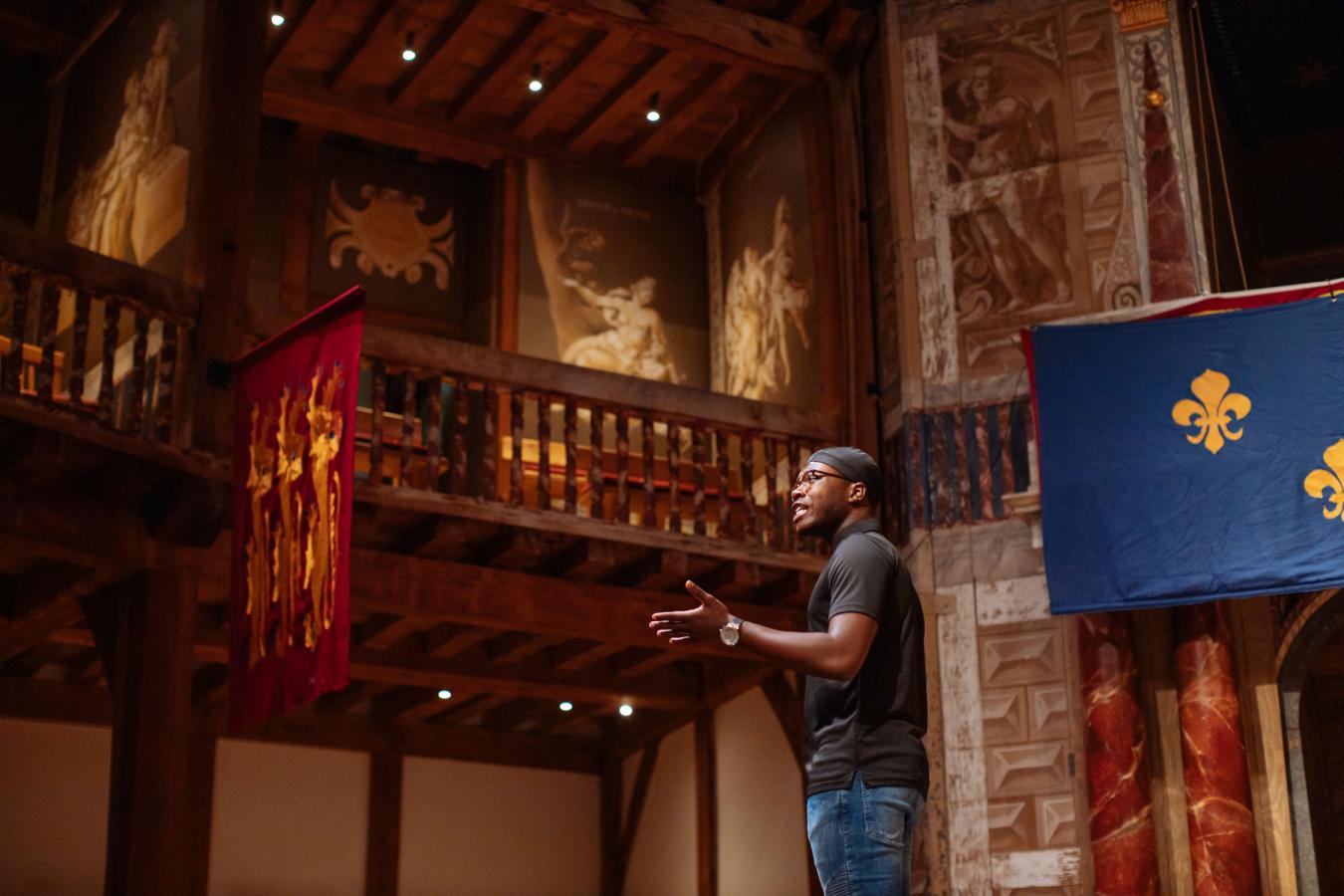
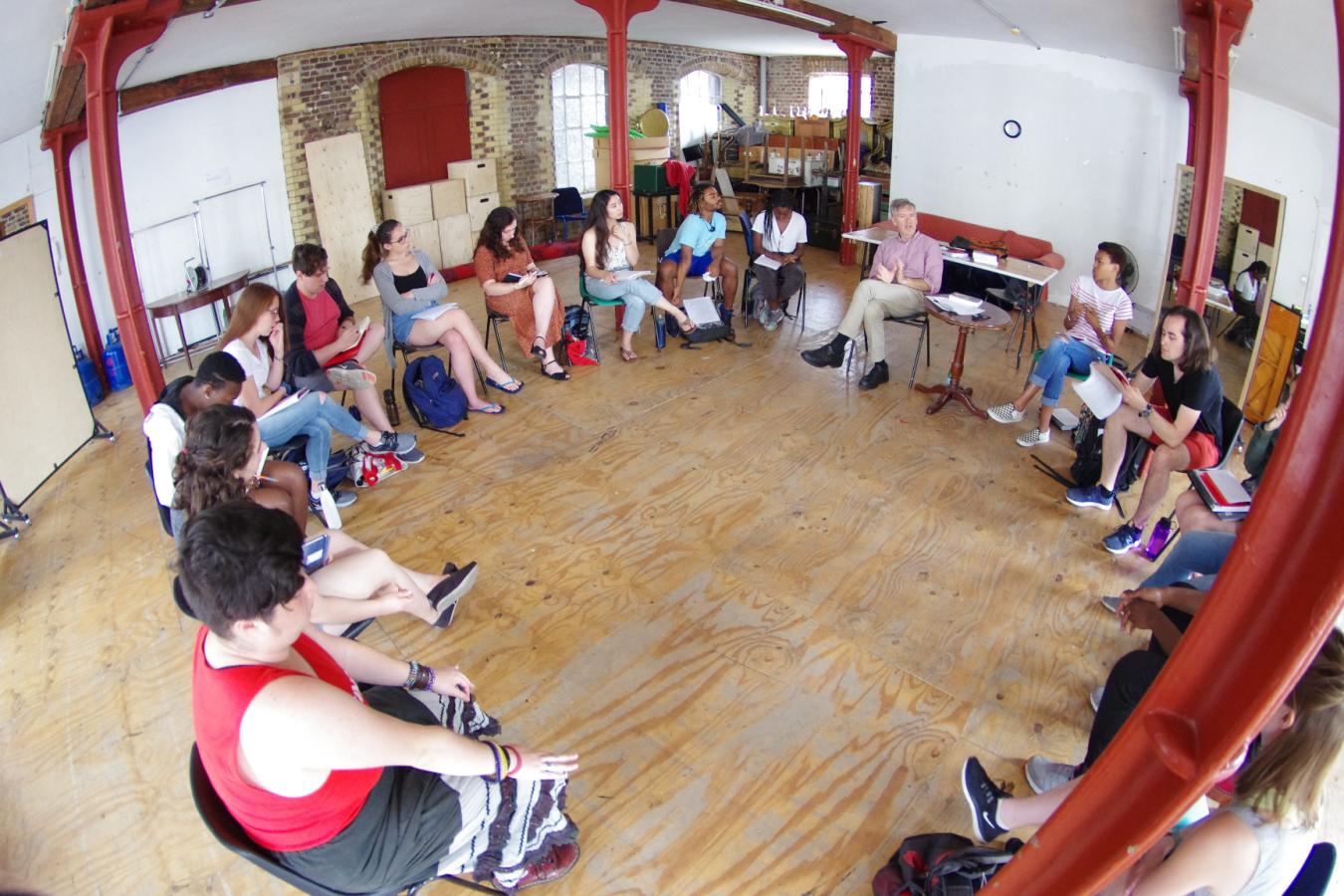
All the World’s a Stage invites students into the living world of Shakespeare through an interdisciplinary, performance-centered approach. Across two semesters, students study Shakespeare’s language, historical context, and theatrical practices while actively engaging in performance through scenes, monologues, movement, and voice work. The program emphasizes how Shakespeare’s plays function both in their early modern setting and in today’s cultural moment, examining how contemporary directors, designers, and actors reinterpret these works for diverse audiences. By combining close reading, embodied practice, and behind-the-scenes insight into modern productions, including a year-long experiential learning opportunity with STL Shakespeare, students gain a deeper understanding of how performance choices shape meaning and why Shakespeare’s plays continue to be among the world’s most widely read and performed over 400 years after his death. Students with no prior acting experience or knowledge of Shakespeare are encouraged to apply.  

Students who complete both semesters of this Ampersand course will have fulfilled the Drama program’s 2000-level Acting requirement for the major or minor.  They will also be eligible to participate in the Performing Arts Department’s “Schvey-Spottiswoode Shakespeare’s Globe Program,” a 3-week, 3-credit study abroad course in London and Stratford-upon-Avon.
How to Sign Up

Signing up for a First-Year Program is a structured process designed to help match you with a program that best fits your interests. Ampersand Programs require a short essay responding to a program-specific prompt.

If you plan to rank this Ampersand Program, prepare a 250-500 word essay that responds to the following prompt: please explain why you wish to participate in the “All the World’s a Stage” Ampersand Program.

Learn More About Sign-Ups

Ampersand Program Courses

Semester 1: Introduction to Shakespeare: All the World’s a Stage I 

Over 400 years after his death, Shakespeare’s plays continue to be among the world’s most widely read and performed. In this interdisciplinary two-semester introductory course, students will learn how to interpret Shakespeare’s language on the page and bring life to his dramas on the stage. Over the course of the year, students will learn to walk, talk, and even fight like a Shakespearean character by performing scenes and monologues and engaging in a range of movement, vocal, and interpretive exercises as they gain skills in public speaking. As they learn how to embody a role onstage, students will also analyze the language and composition of these plays, examining how Shakespeare drew on his status as an uneducated “upstart crow” to disrupt his society’s dynamics of race, gender, and class with subversive depictions of love, power, and murder. We will also situate these plays historically by exploring and practicing the performance techniques that typified the diverse array of early modern performance venues, including palaces, law courts, inns, and of course the Globe itself. Remembering that Shakespeare was an actor and businessman as well as a playwright, we will pay special attention to how his practical stage experiences with his theater company influenced his playwriting. Finally, we will bring the course into the 21st century with class visits from professional actors and artistic directors from regional, national, and international Shakespeare companies who will share their experiences of bringing Shakespeare’s plays to life for contemporary audiences. 

Semester 2: Introduction to Shakespeare: All the World’s a Stage II 

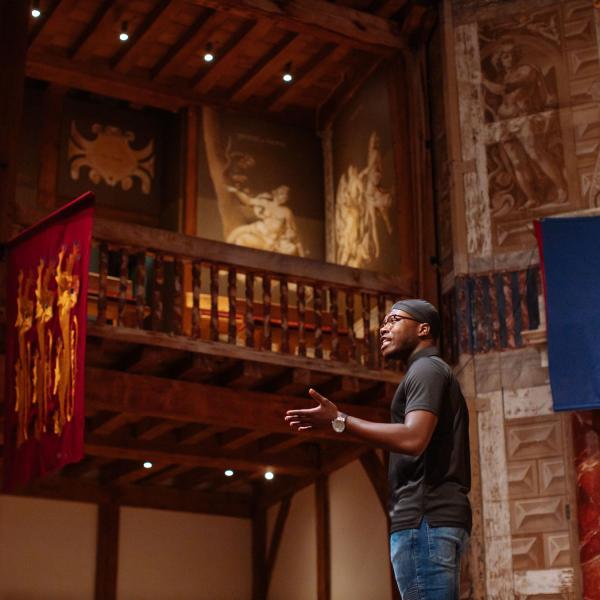
In the second semester of this interdisciplinary introductory course, students will deepen their engagement with Shakespeare’s life and work by building upon the acting techniques practiced during the fall semester to prepare longer and more complex scenes and monologues. As they rehearse, students will fine-tune their ability to portray complex emotions and represent a range of character types within the socially stratified world of these plays. They will also learn how to modulate their performances for different types of theatrical venues including—most importantly—Shakespeare’s Globe itself. Students will also analyze several of Shakespeare’s later plays in order to gain new insight into the evolution of his writing over the course of his career, paying special attention to shifts in the plays’ language, subject matter, and processes of composition. Students will also examine how these later plays represent Shakespeare’s complex attempts to both intervene in the socio-political debates of his historical moment and exert agency over his own legacy. Finally, students will have the opportunity to work with STL Shakespeare in order to gain first-hand experience in staging Shakespeare’s plays for a 21st century audience.  


Ampersand Program Faculty

https://pad.wustl.edu/xml/faculty_staff/12107/rss.xml
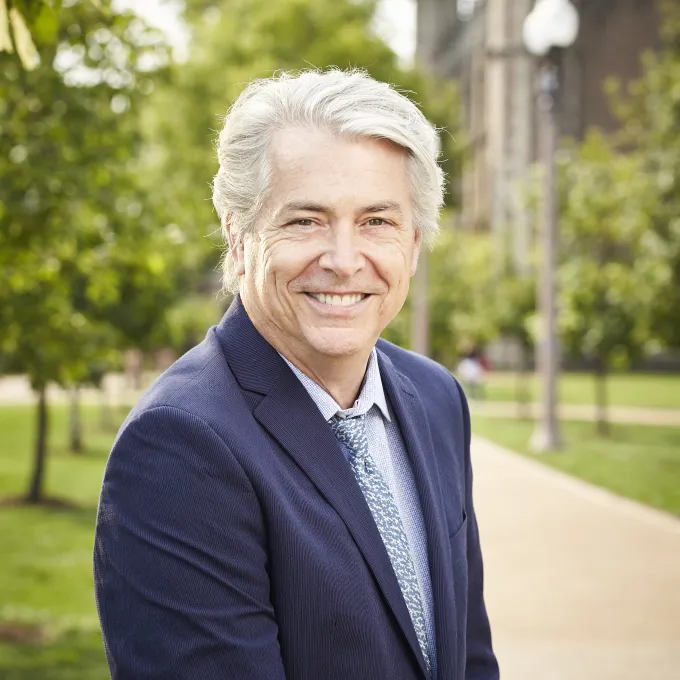
​William Whitaker

​William Whitaker

​Professor of Practice in Drama

​William Whitaker teaches directing and acting. He has been associated as a director and actor with many professional theatres, including the Washington Stage Guild and the Round House Theatre. He regularly teaches at Shakespeare’s Globe Theatre in London as part of Washington University’s summer program there.

https://english.wustl.edu/xml/faculty_staff/14615/rss.xml
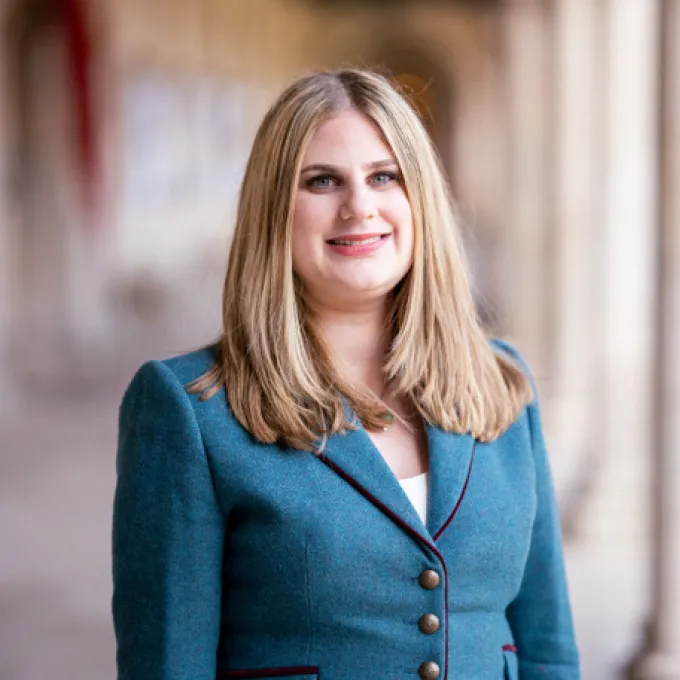
Claire Sommers

Claire Sommers

Lecturer, Departments of Performing Arts and English

Claire Sommers’ research and teaching focus on early modern literature and drama, classical literature and its reception, theater and performance studies, adaptation studies, and critical theory.