Phage Hunters

Phage Hunters

A First-Year Ampersand Program

Dive into real scientific research from day one by discovering and analyzing your own bacteriophage.

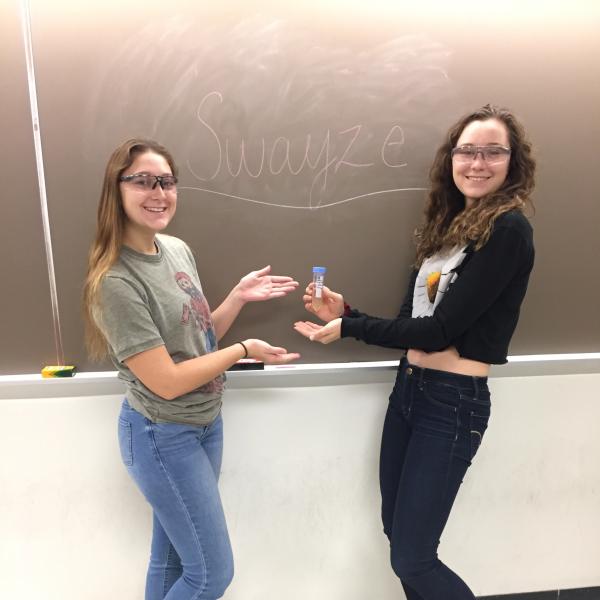
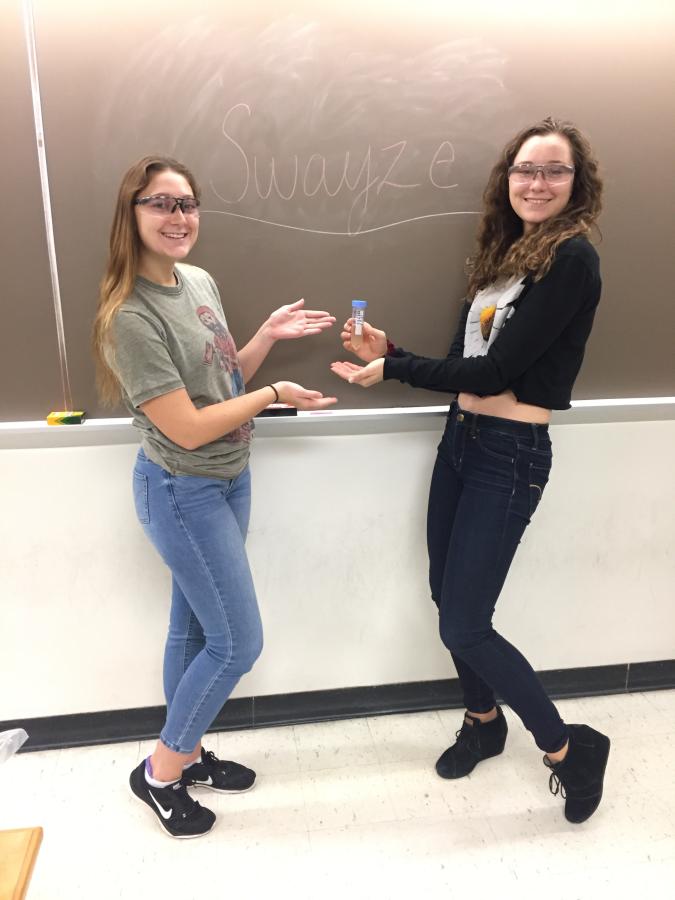
Phage Hunters offers first-year students a rare opportunity to conduct biology research in a supportive, hands-on environment. Students isolate a bacteriophage recovered from St. Louis area soil and carry out a year-long investigation, examining its structure and genome while learning the tools and practices of scientific discovery. Through sustained experimentation and analysis, students build confidence as researchers, gain insight into the realities of laboratory science, and contribute to work that can lead to publication. Phage Hunters gain hands-on research experience, explore areas of interest, and prepare for future study in the sciences.
How to Sign Up

Signing up for a First-Year Program is a structured process designed to help match you with a program that best fits your interests. Ampersand Programs require a short essay responding to a program-specific prompt.

If you plan to rank this Ampersand Program, prepare a 250-500 word essay that responds to the following prompt: Please let us know more about your interest in the Phage Hunters Program, and describe any independent research you have participated in.

Learn More About Sign-Ups

Ampersand Program Courses

Semester 1: Phage Hunters

A research-based laboratory class for first-years. Students join a national experiment organized by the Howard Hughes Medical Institute, with the goal of isolating and characterizing bacteriophage viruses found in the soil in the St. Louis area. Laboratory work includes isolation and purification of your own phage, DNA isolation and restriction mapping, and EM characterization of your phage. Several WashU phage are selected for genome sequencing over winter break, and are annotated in the spring in Phage Bioinformatics. Students who successfully isolate and annotate a phage may become co-authors on a scientific paper. One-hour lecture, 1-hour discussion, and 3-hours lab per week.

Semester 2: Phage Bioinformatics

A research-based laboratory class for first-years. Students join a national experiment organized by the Howard Hughes Medical Institute, with the goal of genomic characterization of a local phage. Laboratory work focuses on learning computer-based tools for genome analysis followed by annotation and comparative analysis of the genome of a phage (bacterial virus) that was isolated fall semester at WashU and sequenced over winter break. One-hour lecture, 1-hour discussion, and 3-hours lab per week.


Ampersand Program Faculty

https://biology.wustl.edu/xml/faculty_staff/11888/rss.xml
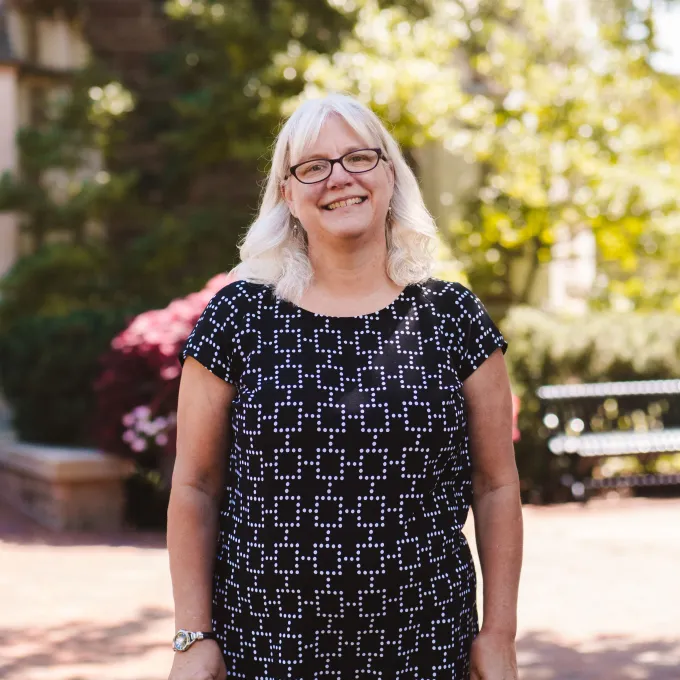
​Kathy Hafer​

​Kathy Hafer​

​Professor of the Practice of Biology

​Kathleen Hafer’s courses include “Principles of Biology” and “Phage Hunters,” a research-based laboratory class for first-year students. Students join a national experiment organized by HHMI, with the goal of isolating and characterizing bacteriophage viruses found in the soil in the St. Louis area.