First Year, Fall
A Sense of Place: Discovering the Environment of St. Louis
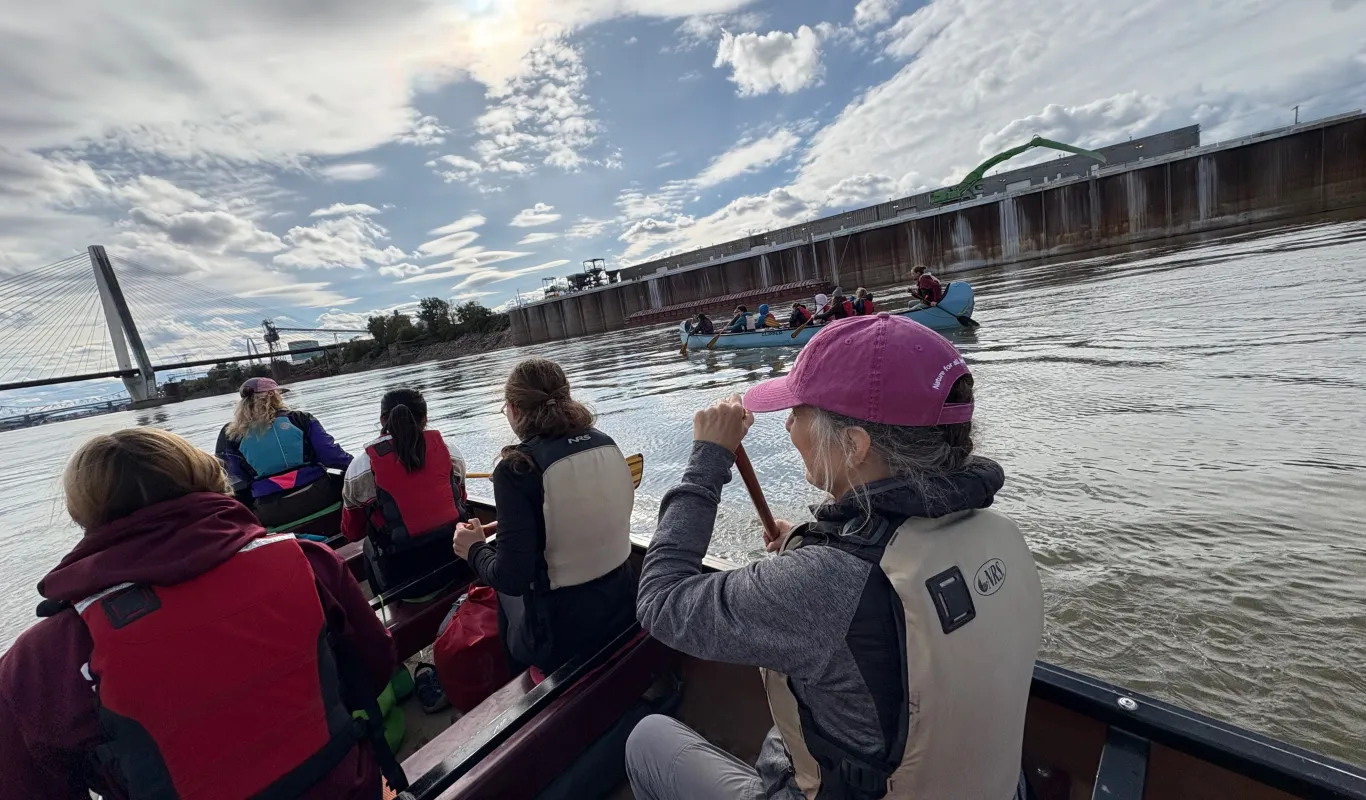
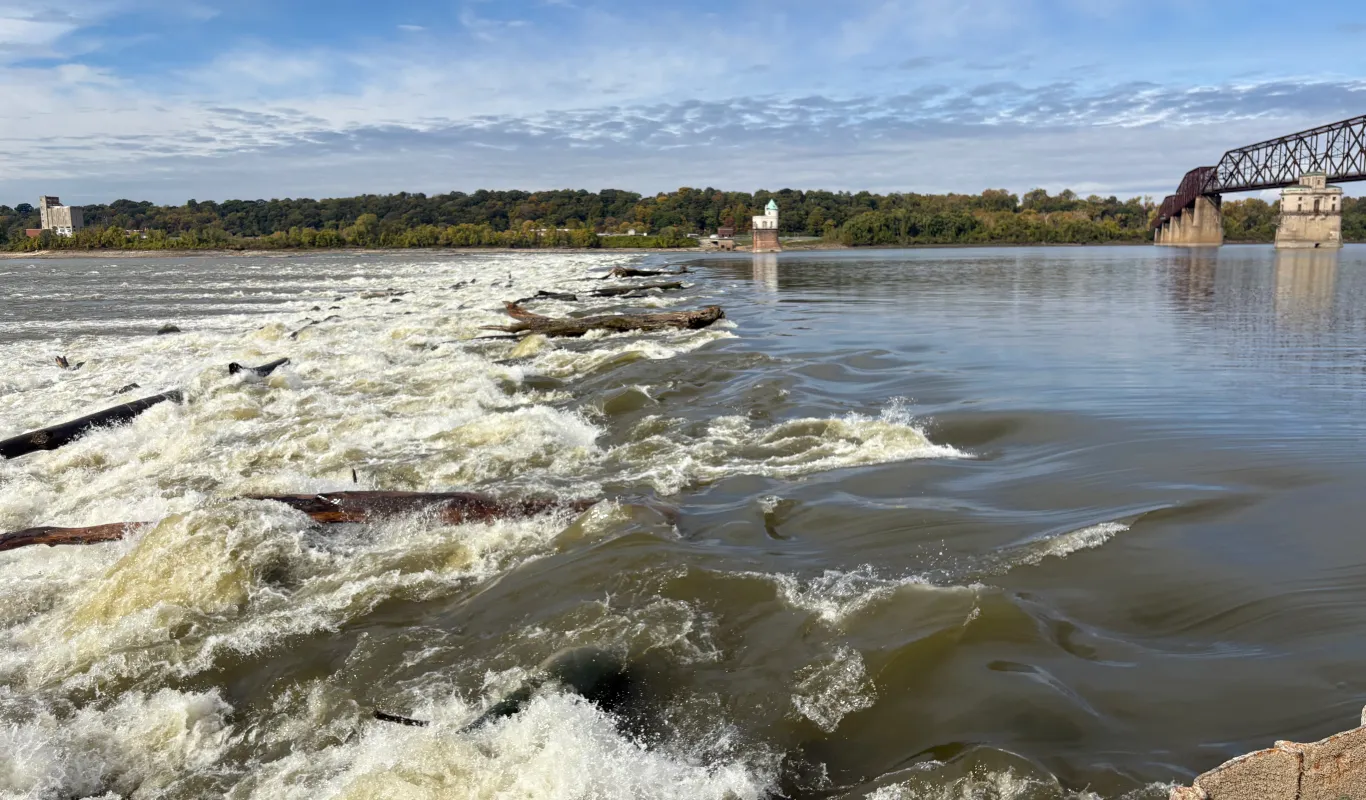
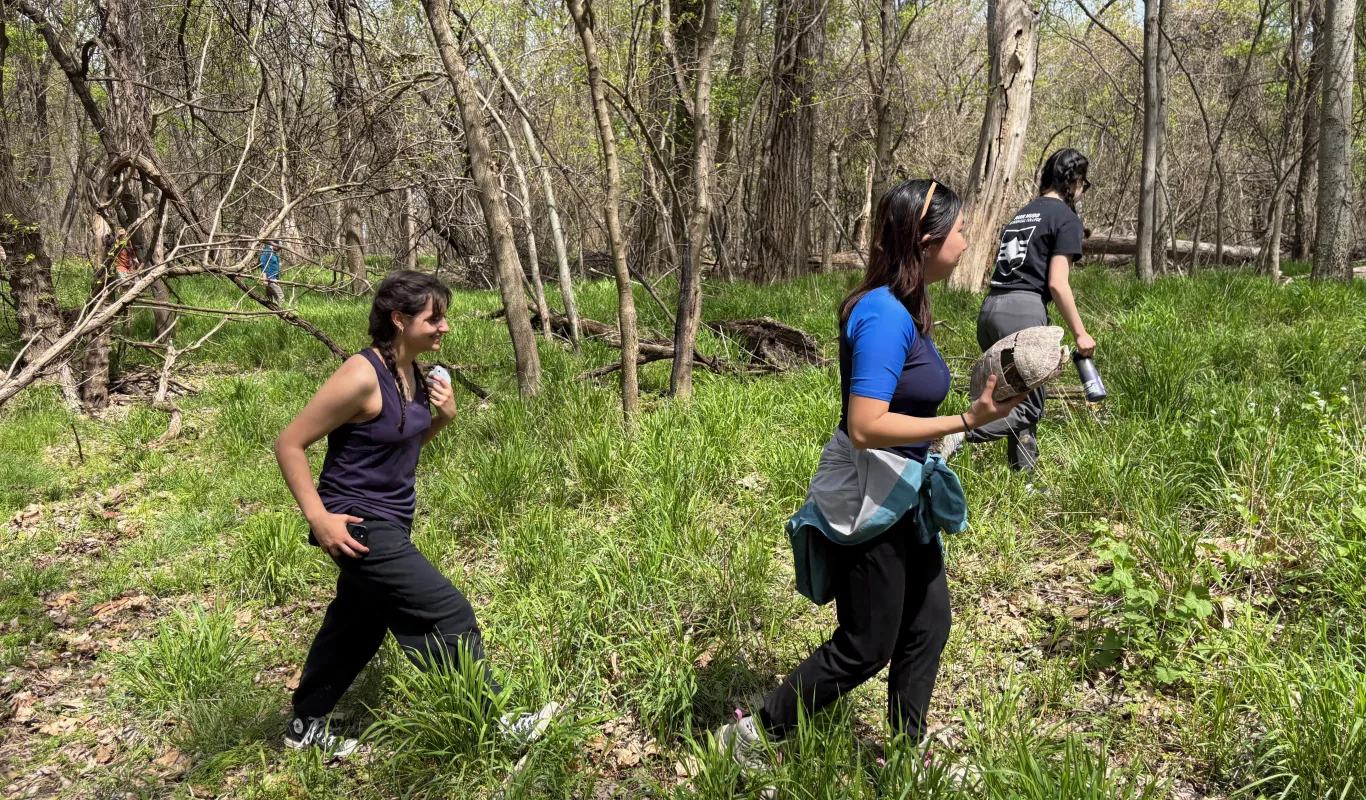
Go exploring in and around St Louis. You'll learn about the St. Louis backyard, and your home for the next four years. Through field trips, readings, and discussion, you'll see first-hand what challenges face the environment and the people who live here. You will learn how to examine multiple perspectives, how to think critically and how to approach problems from an interdisciplinary and holistic approach. You'll also learn why it is important to know a community at the local level if you're going to affect change on any level-state, national, or international. In addition to weekly readings and discussion, this class includes several field trips. 3 credits.
College Writing: Place and Perspective Pathfinder
Place & Perspective: Pathfinder will feature readings on the subject of our environments, whether physical spaces or digital, and from a wide range of diverse perspectives. Students will have the opportunity to write original works synthesizing current academic and popular conversations, while offering new views on what it means to live here in this world, to have a place in an ecosystem, a classroom, and a community. We will foreground diversity in both our in-class conversations as well as through the writing we share, from issues of inequality to concerns of access, from explorations of the self to our responsibilities as citizens. Possible topics may include global migration, urban and suburban spaces, nature writing, gender and sexuality studies, or a focus on our St. Louis surroundings. THIS COURSE SATISFIES THE FIRST-YEAR WRITING REQUIREMENT FOR ALL DIVISIONS.
First Year, Spring
A Sense of Place: Discovering Missouri's Natural Heritage
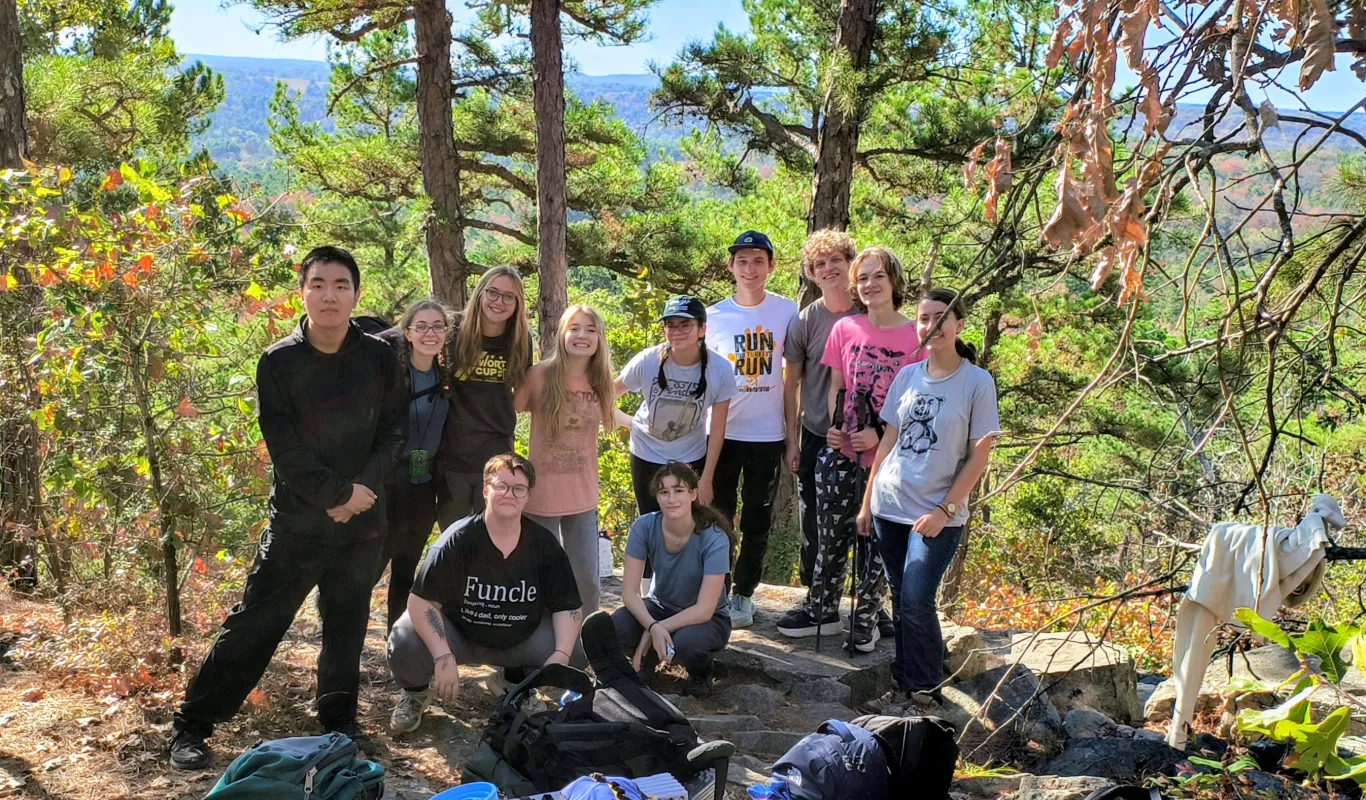
This is a multidisciplinary course that will explore Missouri’s natural heritage from the perspectives of Biology, Environmental Studies, Geology, History, and Archaeology. In addition to traditional classroom work, students in this class will visit sites outside of campus during the class hours. Field trips will involve walking/hiking. We will examine Missouri history at a variety of levels, including geologic, climatic, and archaeological. This will provide a foundation on which to examine the ecology, restoration, and management of our diverse habitats (prairie, forest, glade, and stream) and the biology of our diverse plant and animal wildlife (including arthropods, mollusks, fish, salamanders, lizards, birds, and mammals).
Second Year, Spring
Community Based Conservation: Madagascar Sustainability Initiative
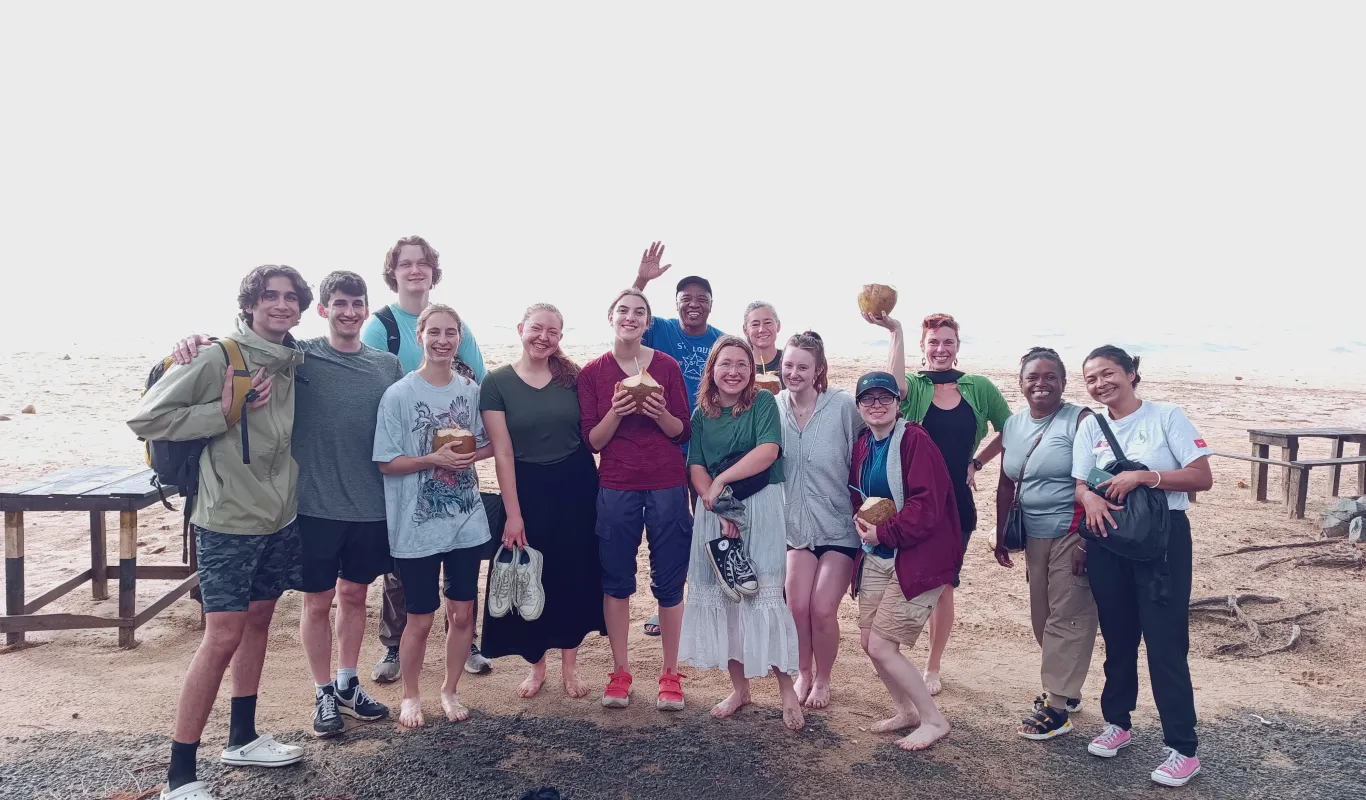
This course in community-based conservation through the lens of Madagascar represents a partnership between Missouri Botanical Garden (MBG) and Washington University in Saint Louis. The course is designed to support MBG's Community Based Conservation Program sites, while building student understanding of challenges at the intersection of rural agricultural subsistence communities, climate change, and biodiversity hot spots. This course integrates study of biodiversity, poverty, and community-based conservation principles with research design, professional teamwork, and cultural competency skills. Through enrollment in this course and the optional subsequent field experience, students will select a focal area in community-based conservation, and build a robust understanding of a challenge in principle, as well as its specific manifestation in the Mahabo case. They will engage with preexisting and/or collaboratively proposed on-the-ground initiatives in MBG's CBCP, develop a study design to assess the efficacy of these initiatives, and support iterative implementation. 3 credits.
Community Based Conservation Practicum: Madagascar Field Experience
This course will guide students through travel preparation and Malagasy language learning, followed by a three-week field experience in Madagascar. The community-based conservation approach integrates a full understanding of the need for economic stability and human health priorities alongside conservation of flora and fauna. Variable credit. 0 – 3 credits
Third Year, Fall or Spring
Sustainability Exchange: Community and University Practicums
The Sustainability Exchange engages interdisciplinary teams of students to tackle real-world energy, environmental, and sustainability problems through an experiential form of education. Students participate in projects with on- or off-campus clients, developed with and guided by faculty advisors from across the University. Teams deliver to their clients an end-product that explores wicked problems requiring innovative methods and solutions. 3 credits.