Text & Traditions

Text & Traditions

A First-Year Ampersand Program

Engage the classic texts and enduring ideas that have shaped cultures, societies, and ways of thinking across time and place.

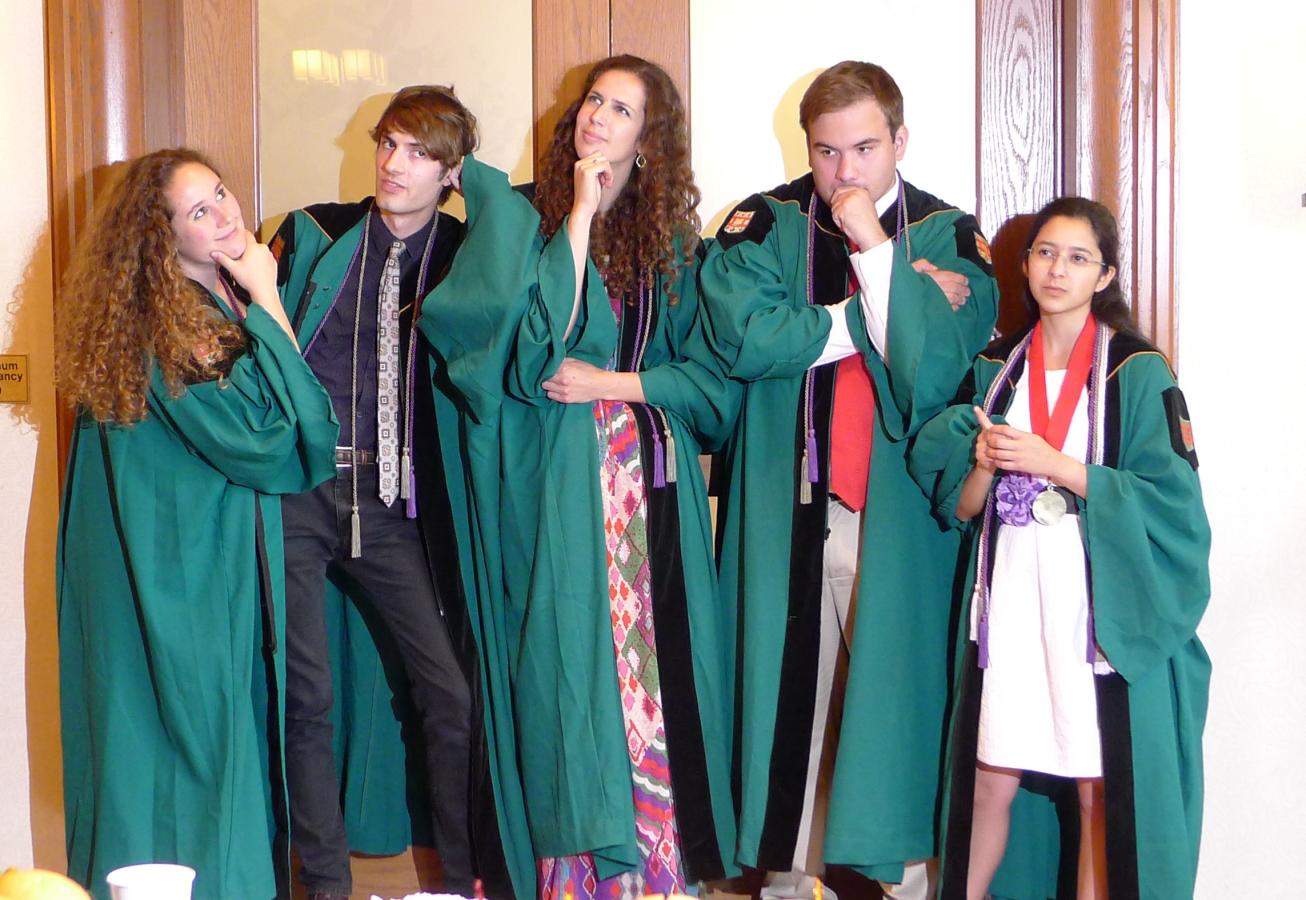
Text & Traditions grounds students in the humanities through sustained engagement with foundational works of literature and political thought from antiquity to the Renaissance. Through close reading of poetry, drama, and philosophy, students explore how writers and thinkers—from Homer, Sappho, and Plato to St. Augustine, Petrarch, Shakespeare, and Machiavelli—grappled with enduring questions of power, ethics, and authority. Emphasizing careful analysis, discussion, and argumentation, the program develops critical reading, writing, and rhetorical skills while offering a shared intellectual experience that reveals how classic texts continue to shape modern cultural and political life.

How to Sign Up

Signing up for a First-Year Program is a structured process designed to help match you with a program that best fits your interests. Ampersand Programs require a short essay responding to a program-specific prompt.

If you plan to rank this Ampersand Program, prepare a 250-500 word essay that responds to the following prompt: The Ampersand program in Text & Traditions can be a gateway to further interdisciplinary inquiry in world literatures and the history of thought. Please tell us how the Ampersand that binds Text & Traditions could support your intellectual interests and ambitions.

Learn More About Sign-Ups

Ampersand Program Courses

Semester 1: Classical to Renaissance Literature: Text & Traditions 

Students enrolled in this course engage in close and sustained reading of a set of texts that are indispensable for an understanding of the European literary tradition, texts that continue to offer invaluable insights into humanity and the world around us. Homer's Iliad is the foundation of our class. We then go on to trace ways in which later poets and dramatists engage the work of predecessors who inspire and challenge them. Readings move from translations of Greek, Latin, and Italian, to poetry and drama composed in English. In addition to Homer, we will read works of Sappho, a Greek tragedian, Plato, Vergil, Ovid, Petrarch, and Shakespeare. 

Semester 2: Early Political Thought: Text & Traditions 

A selected survey of the political and moral thought of Europe from the rise of Athenian democracy to the Renaissance, with emphasis on analysis and discussion of writers such as Thucydides, Plato, Aristotle, St. Augustine, Castiglione, and Machiavelli.  The course aims to introduce students to basic texts in the intellectual history of Western Europe, understood both as products of a particular time and place and as self-contained arguments that strive to instruct and persuade. The texts are simultaneously used to chart the careers of such fundamental notions as liberty, virtue, and justice. 


Ampersand Program Faculty

https://pad.wustl.edu/xml/faculty_staff/11884/rss.xml
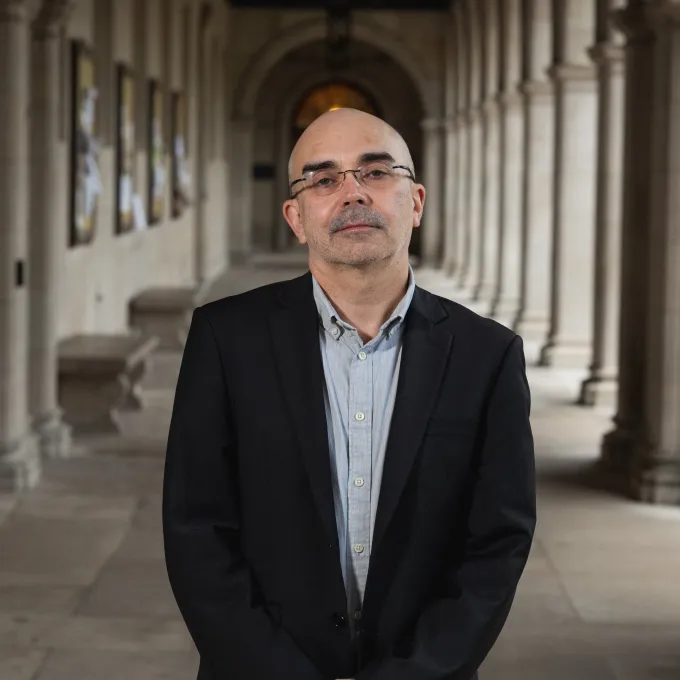
​Robert Henke

​Robert Henke

​Professor of Drama and Comparative Literature

Professor Henke is presently working on three projects: a study of Shakespeare and Italian plays, scenarios and novellas; an examination of international early modern theatrical networks; and a performance-centered source book of commedia dell’arte and related popular piazza literature.

https://complitandthought.wustl.edu/xml/faculty_staff/15333/rss.xml
Philip Purchase

Philip Purchase

Senior ​Lecturer in Comparative Literature and Thought

​Philip Purchase teaches courses in Greek and Latin, as well as courses for the department of Comparative Literature & Thought.